

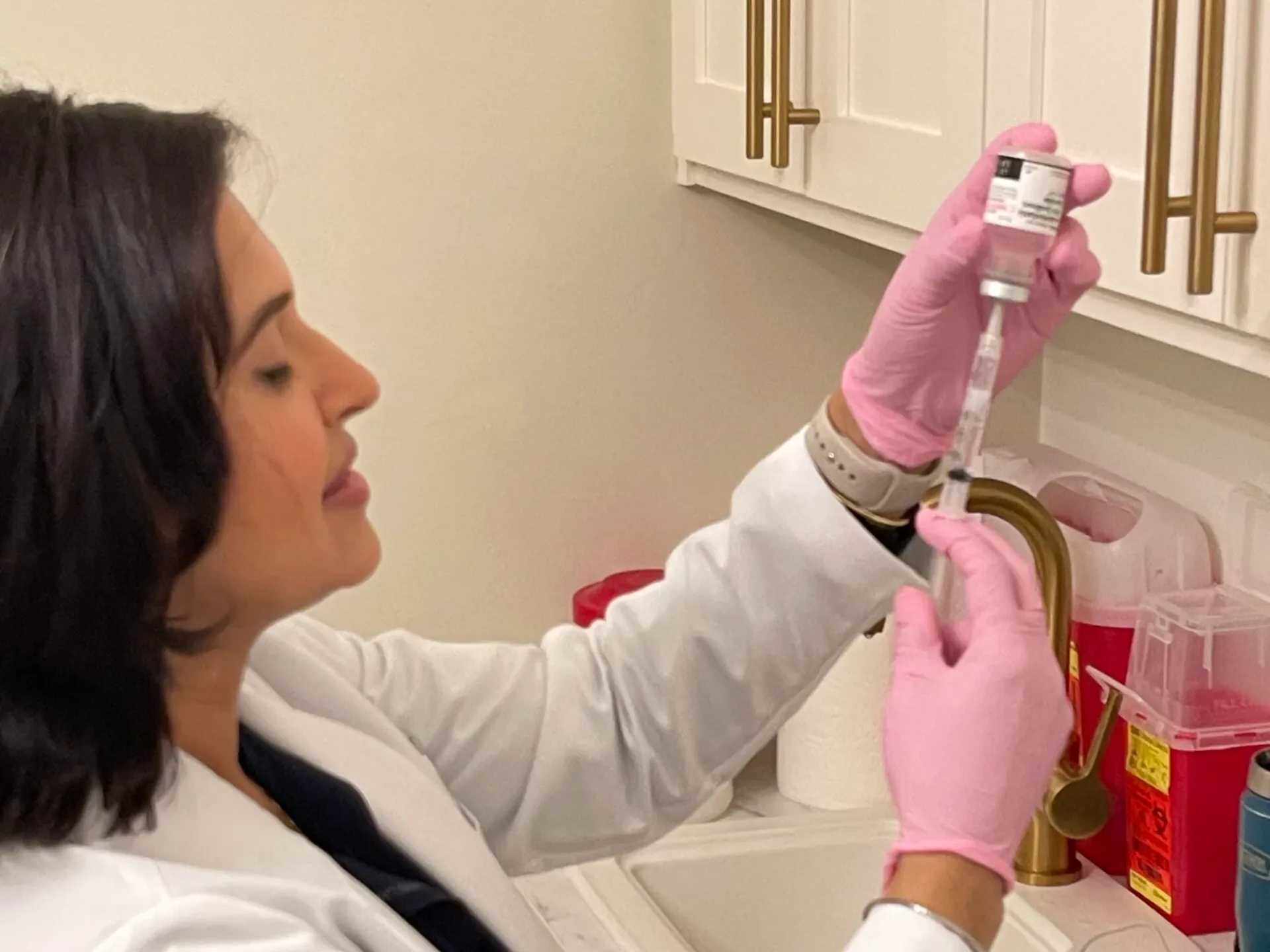
Botox and dermal fillers are both injectables, and both soften signs of aging, but they work in completely different ways. Botox relaxes the muscles that cause expression lines. Fillers add volume under the skin. Which one you need depends on what is causing the change you see. Here is how to tell.
The difference between Botox and dermal fillers
How Botox relaxes facial muscles
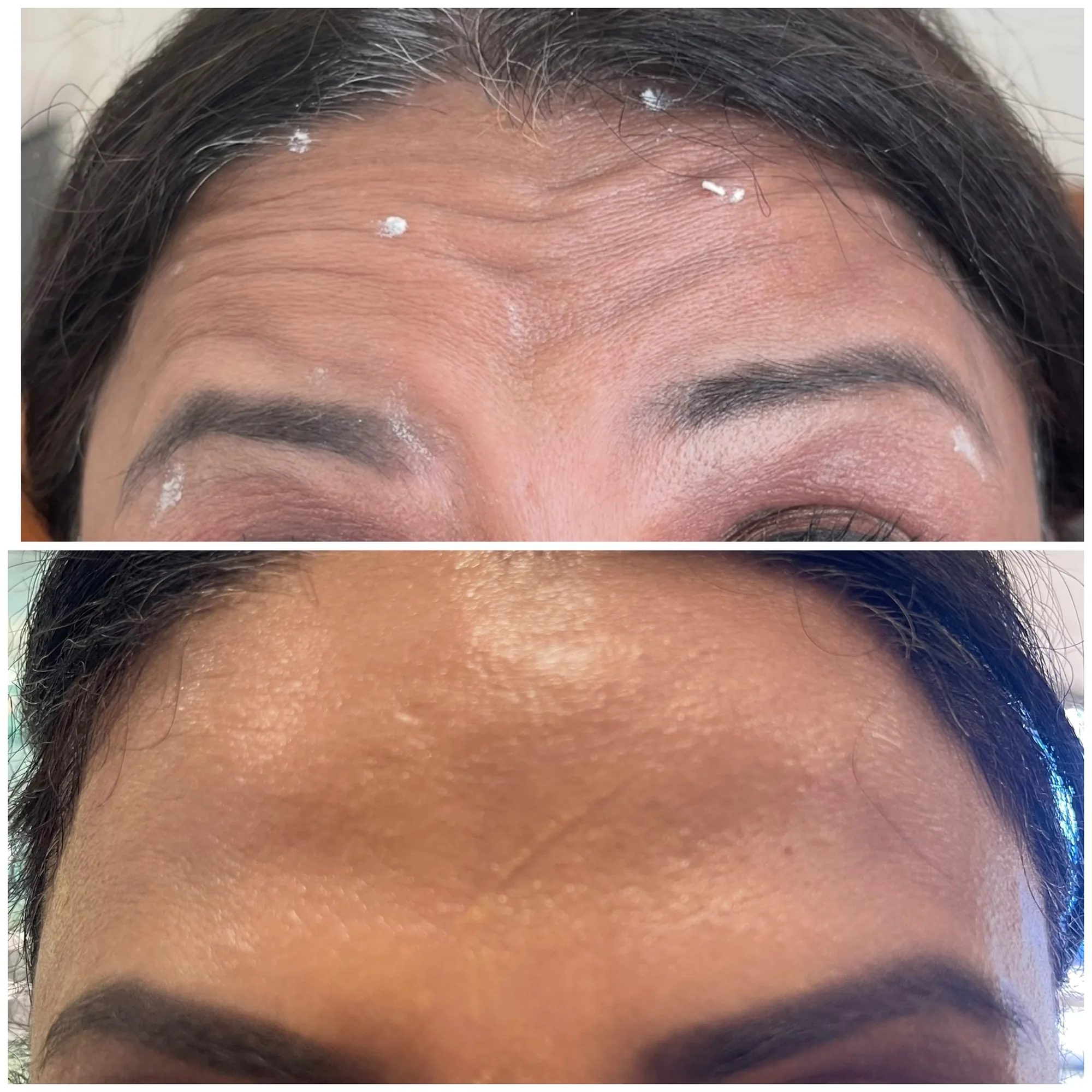
Botox is a neuromodulator that reduces activity in specific facial muscles. By temporarily relaxing them, it smooths lines formed by repeated expressions, such as smiling, frowning or raising your eyebrows. That makes it the choice for forehead lines, crow's feet, frown lines and other movement lines. Results appear within a few days and usually last around three to four months.
How dermal fillers restore volume
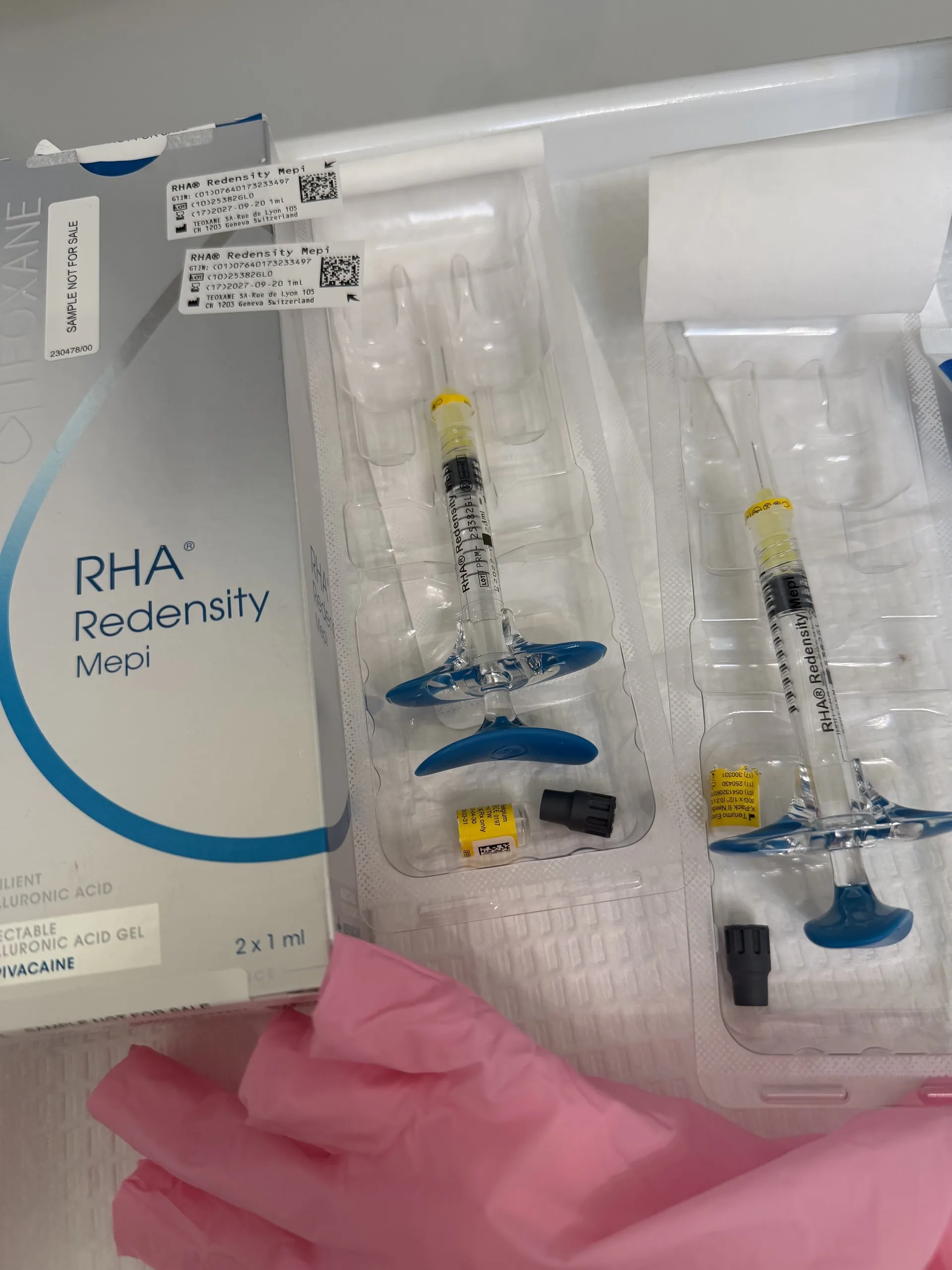
Fillers work by adding volume beneath the skin. Most modern fillers are made from hyaluronic acid, a substance found naturally in the body that hydrates and plumps the skin. Other types, such as calcium hydroxylapatite or poly-L-lactic acid, also stimulate collagen. Fillers are used to enhance the cheeks, soften smile lines, add to the lips, define the jawline and restore volume lost with age. Results are visible straight away and usually last about 6 to 18 months, sometimes longer, depending on the product and the area.
Typical areas for each
Botox is used for:
- forehead lines
- frown lines (the "11s")
- crow's feet
- bunny lines on the nose
- neck bands
Fillers are used for:
- cheek and mid-face volume
- lips and lip lines
- smile lines (nasolabial folds)
- marionette lines
- under-eye hollows
- jawline and chin definition
Common misconceptions
Many people assume Botox and fillers do the same thing. They do not: Botox does not add volume, and fillers do not relax muscles. Another misconception is that both will change your appearance dramatically. With a skilled provider, results can be subtle, natural and tailored to you. Many people combine the two for a more balanced plan.
What affects the cost of Botox and fillers
Botox: per unit or per treatment
Botox is usually charged per unit, so the total depends on how many units your treatment area needs. Smaller areas such as crow's feet need fewer units, and forehead or frown lines may need more. Some clinics bundle the recommended units into one flat price. People with stronger muscles or deeper lines may need more units. Our guide to Botox cost in Roseville covers this in detail.
Fillers: per syringe
Fillers are usually priced per syringe, and the cost depends on the type and brand of filler and the area treated. Areas such as the cheeks or jawline may need more than one syringe for a balanced result.
Upfront cost and how long it lasts
Fillers use more product and provide structural support, so the upfront cost of a filler treatment is usually higher than a Botox session. They also last longer, about 6 to 18 months, while Botox lasts three to four months and needs more frequent visits. Looking at the cost over a year, rather than per visit, gives a fairer comparison.
The injector, the clinic and the product
Pricing also reflects the injector's training and experience, the products used, and the clinic's investment in safety protocols and ongoing education. Those things add to cost, and they also make results safer and more natural.
Insurance
Cosmetic Botox and fillers are not usually covered by health insurance, so expect to pay for cosmetic treatments yourself. Medical uses of Botox, such as treatment for chronic migraine, are prescribed and billed differently from cosmetic treatment.
Your own cost is confirmed at your consultation, once your plan is agreed.
Which injectable suits your concern?
Lines that appear with movement
If your main concern is lines that appear when you move your face, Botox is the most effective choice. It reduces muscle activity in areas such as the forehead, between the brows and around the eyes, smoothing existing lines and helping stop them deepening.
Fine lines or deeper creases
For lines that stay visible when your face is at rest, either treatment can help, depending on the cause.
- Fine, etched lines: Botox or a skin-boosting filler may soften them.
- Deeper folds and creases: fillers are usually the better option, because they restore the volume needed to lift and smooth the skin. Smile lines, marionette lines and under-eye hollows respond well to volume.
When you may need both
Many people benefit from both. Botox relaxes the muscles behind expression lines, while fillers restore structure and volume. Together they can address several signs of aging at once and create more balanced proportions.
When skin laxity needs something more
Injectables alone may not fully correct sagging skin or reduced collagen. If skin quality or laxity is part of your concern, other treatments can help, such as microneedling to build collagen and improve texture, or XERF structural skin tightening for firmness.
When combining treatments works best
Botox and filler together
Botox softens lines caused by expression, while fillers restore volume and contour. Used together, they can give smoother skin, better symmetry and a refreshed look without looking overdone.
Treating lines and volume loss together
Aging affects the face in several ways at once. Muscle activity creates lines, while fat loss and bone changes lead to sagging and hollowing. A combined plan addresses both: Botox softens movement lines, and fillers lift, contour and replace lost volume. Treating them together tends to give a more balanced, natural result.
Supporting treatments
A plan does not have to stop at injectables. Microneedling to stimulate collagen and medical-grade skincare to maintain your results at home can both add to the result.
Who should avoid Botox or fillers?
Pregnancy and breastfeeding
Botox and fillers are not recommended during pregnancy or breastfeeding. Research is limited, so medical providers take a cautious approach and ask patients to wait until afterward.
Allergies and autoimmune conditions
People with known allergies to any ingredient, such as the lidocaine in some fillers, may not be suitable. Those with autoimmune conditions or a weakened immune system may have a higher risk of inflammation, reactions or slow healing. A thorough medical history shows whether injectables are safe for you or need adjusting.
Skin infections or active skin conditions
Injectables should never be given over an active infection or skin condition, such as cold sores, a dermatitis flare, acne cysts or a local bacterial infection. Treating compromised skin raises the risk of infection and poor healing, so providers usually postpone treatment until the skin has recovered.
Unrealistic expectations
Cosmetic injectables should only be given when someone has realistic expectations. If a patient shows signs of body dysmorphic disorder, or is seeking perfection rather than improvement, an ethical provider may decline treatment and may suggest support from a mental health professional.
When a physician may suggest something else
Sometimes Botox or fillers are not the best option, because of a medical reason or because they cannot deliver the result you want. A qualified provider may suggest alternatives such as skin tightening, medical-grade skincare or microneedling.
How to choose between Botox and fillers
Your age and main concerns
- Younger patients may use Botox preventatively to slow the development of lines. See our post on preventative Botox.
- People in their 30s to 50s often combine Botox and fillers to treat expression lines and early volume loss.
- Mature patients may benefit more from fillers to restore structure in the cheeks, jawline and under-eye area.
Your main concern, whether lines, sagging, hollows or a lack of contour, should guide the choice.
Budget and longevity
Botox usually costs less upfront but lasts three to four months, so it needs more frequent maintenance. Fillers cost more at first but often last 6 to 18 months, depending on the product and area. Think about how often you want to come back and how you prefer to spread the cost.
Gradual or immediate results
Botox results develop over 3 to 14 days as the muscles relax. Fillers show straight away. If you want an immediate change in volume or contour, fillers may suit you. If you prefer a gradual change, Botox may suit you better.
Advice from a licensed provider
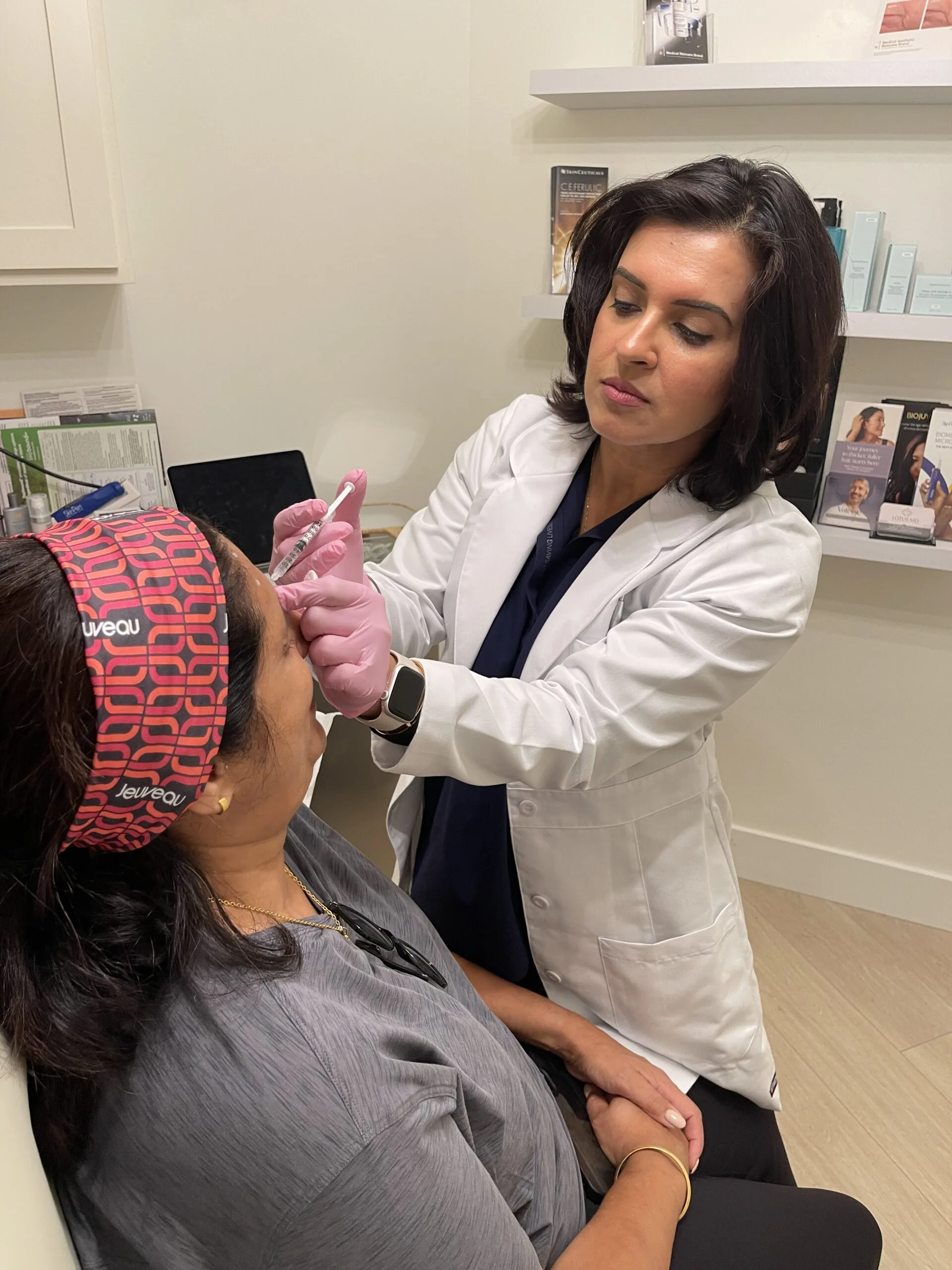
A licensed provider will look at your facial anatomy, medical history and expectations, and explain which injectable suits your concern, whether a combination would help, and what to expect for safety, cost, downtime and maintenance.
A plan built for you
No two faces age the same way, so the best result comes from a plan tailored to your anatomy, goals and comfort level. Read more about filler and facial balancing and Botox and skin rejuvenation, or book an appointment.