Preventative Botox uses small doses of Botox before lines become deeply set. Most people who choose it start between their mid-20s and early 30s, when faint expression lines first appear. Here is how it works, when to start, and what to expect.
What is preventative Botox?
Preventative Botox temporarily relaxes the facial muscles that cause expression lines, such as those on the forehead, between the brows and around the eyes.
Corrective Botox softens wrinkles that are already there. Preventative Botox aims to slow lines from forming in the first place. By limiting repeated movements like frowning or squinting, it stops the skin creasing in the same place over and over, which means fewer visible lines over time.
Timing matters: the earlier you address these movements, the less likely they are to become deep wrinkles. Many people start in their late 20s or early 30s to keep their skin smooth and reduce the need for more intensive treatment later.
When should you start preventative Botox?
It depends on your skin, your expressions and your habits. There is no single perfect age, but most people begin between their mid-20s and early 30s, when lines start to appear with expression but have not yet become deep wrinkles.
The first signs are usually lines that form when you make an expression and linger afterward:
- frown lines between the eyebrows (the "11s")
- crow's feet around the eyes from smiling or squinting
- horizontal forehead lines from raising your brows
If you notice these early signs, it may be a good time for a consultation.
What to expect at a preventative Botox appointment
Consultation and facial assessment
Your appointment starts with a one-to-one consultation with a licensed injector. Your provider looks at your facial anatomy, asks about your skin goals, and identifies the movements that contribute to your lines. They also review your medical history and any previous aesthetic treatments to make sure Botox is safe and appropriate for you.
A plan based on your muscle activity
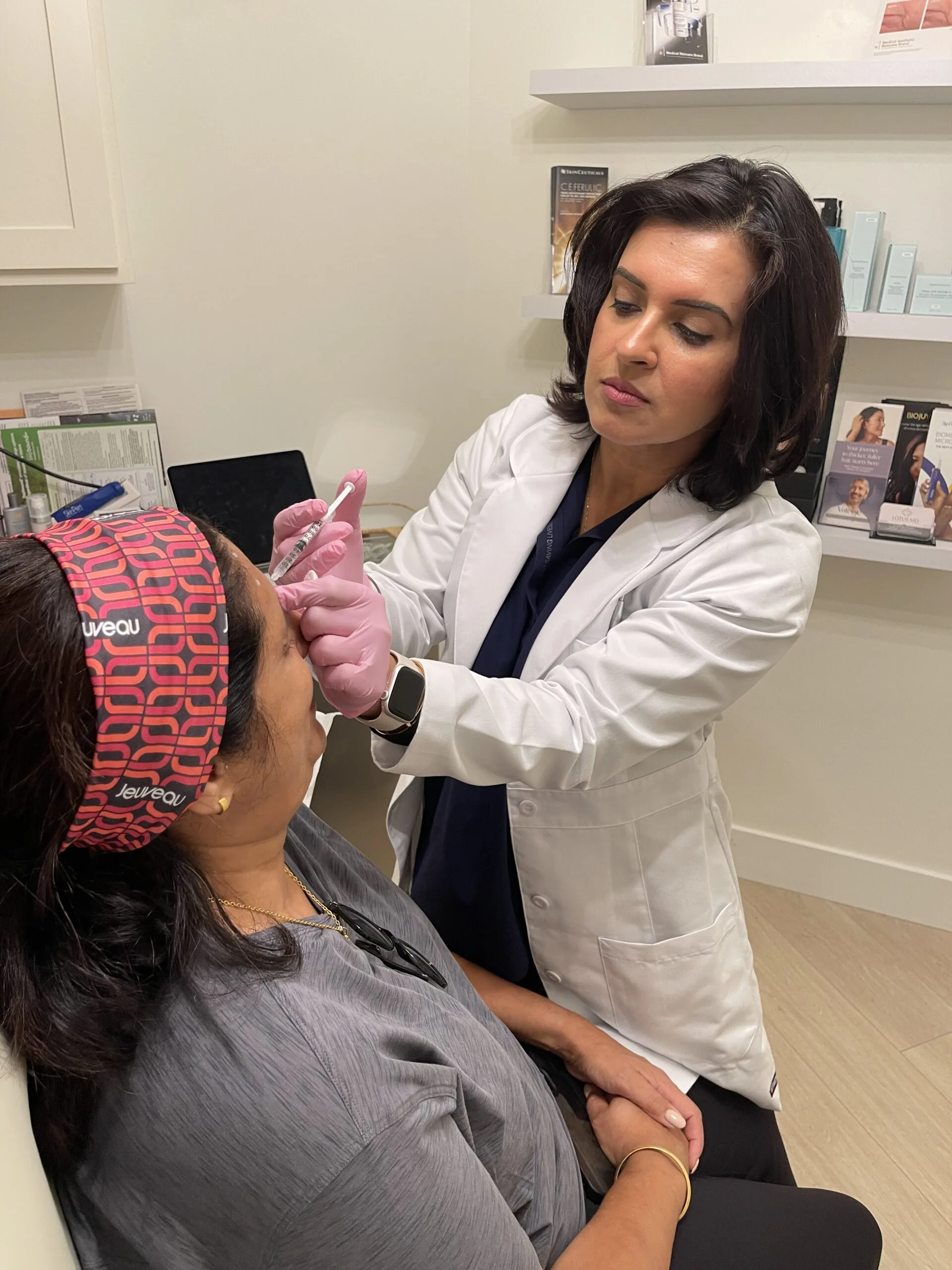
After studying how you frown, squint and raise your brows, your injector plans exactly which muscles to treat and how many units you need for a natural, preventative result without overtreating any area.
The treatment
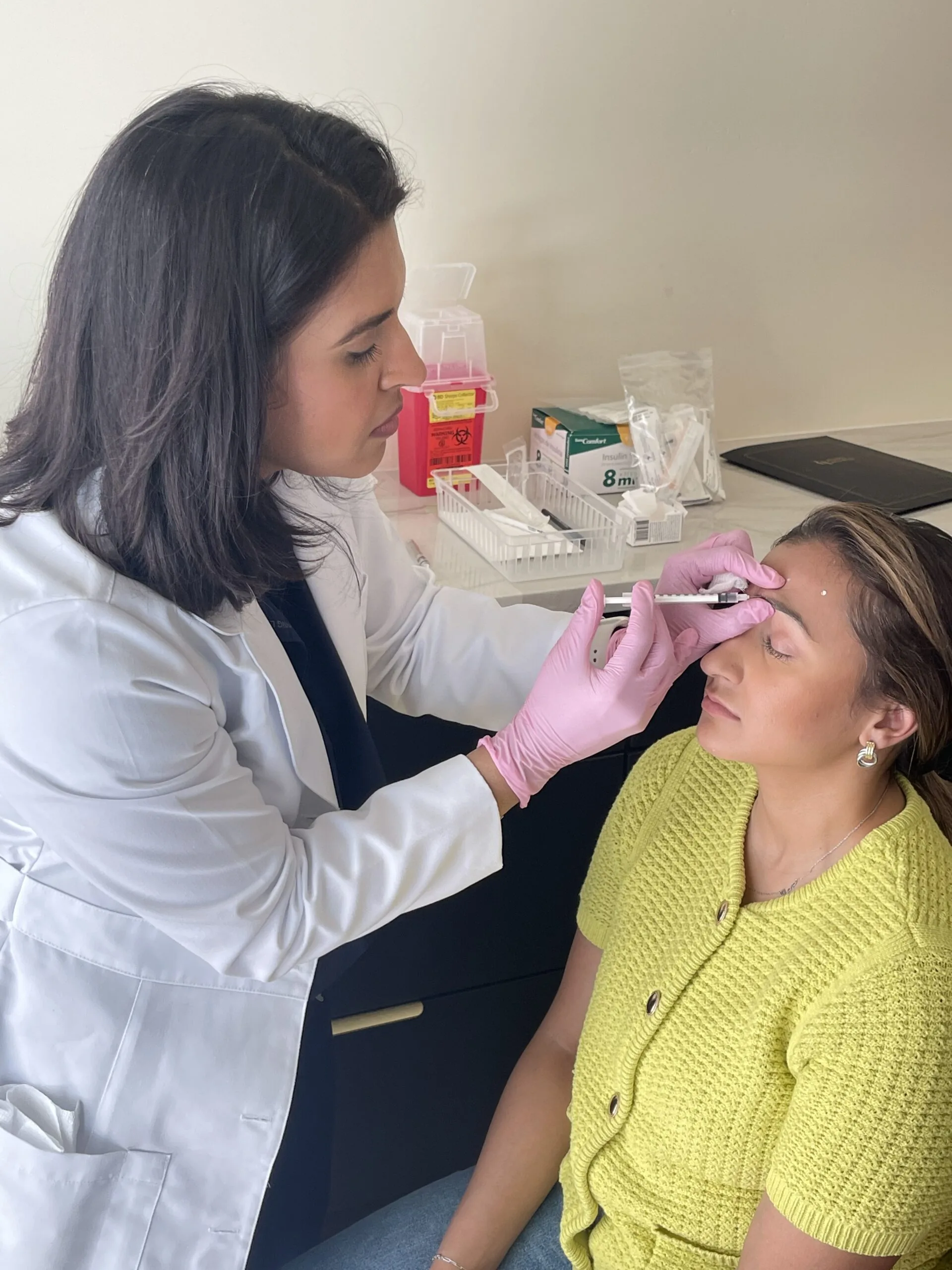
The treatment itself is simple and usually takes 15 to 30 minutes. Your injector uses a very fine needle to place small doses of Botox into specific muscles, most often on the forehead, between the brows and around the eyes. Most people feel only a quick pinch, and numbing cream or ice can be used for extra comfort.
Recovery, aftercare and follow-up
There is very little downtime. You can return to most activities straight away, though your injector will ask you to avoid intense exercise, alcohol and lying flat for several hours afterward.
Benefits of starting early
Less muscle overuse before lines deepen
Every frown, squint or raised brow contracts the muscles underneath and gradually etches lines into the skin. Preventative Botox relaxes those overactive muscles, reducing the repeated movement that leads to deeper wrinkles and helping keep your skin smooth.
Delaying more intensive treatment
Starting early may delay the need for more intensive treatment, such as fillers, later on. Regular maintenance keeps fine lines from progressing, so you can age naturally.
Smooth, natural-looking skin
The goal is not to remove movement but to soften it, so your results look natural. With a consistent plan, your skin stays smoother as you age.
Myths about preventative Botox
"It freezes your face"
With proper technique, Botox softens muscle activity without removing movement. The goal of preventative Botox is to keep natural expression while stopping deep creases forming. A frozen look comes from poor placement or too high a dose, which an experienced injector knows how to avoid.
"You are too young for Botox"
Preventative Botox is not about changing your face. It is about keeping smooth skin over time. Starting in your mid-20s or early 30s can help delay deep-set wrinkles, especially if you already see early expression lines.
"Once you start, you cannot stop"
Some people believe your face ages faster if you stop Botox. It does not. When Botox wears off, your muscles return to their normal activity and your skin carries on aging naturally. People continue because they like the result, not because they have to.
"Botox is unsafe or toxic"
Botox Cosmetic is an FDA-approved medicine that has been used for cosmetic and medical purposes for many years. It is a purified protein that temporarily relaxes the muscles it is injected into. Given by a licensed medical professional at an appropriate dose, it is well studied and generally well tolerated.
Choosing the right Botox provider
Licensed, medically trained injectors
Choose a licensed medical professional with training in facial anatomy and injection technique, ideally in a physician-led practice. Experience lets an injector deliver subtle, natural results while keeping risk low. Avoid unlicensed practitioners: Botox is a medical procedure.

Check reviews and credentials
Before you book, read patient reviews and check your provider's credentials. Consistent, balanced results and positive feedback are good signs of experience and care.
A personal consultation
A good provider does not take a one-size-fits-all approach. At your consultation they assess your expressions, muscle strength and goals to decide the right dose and placement, so you look refreshed rather than frozen.
At Lotus MD, care is physician-led by Dr. Sanghera, who is board certified by the American Board of Family Medicine.
How long does preventative Botox last?
Three to four months on average
For most people, results last three to four months. During that time the treated muscles stay relaxed, softening fine lines and helping stop new ones forming. As the effect wears off, normal movement gradually returns.
Consistency keeps results going
With regular treatments a few months apart, the muscles tend to stay more relaxed, so you may need fewer units or less frequent sessions over time.
What affects how long it lasts
- Metabolism: a faster metabolism may process Botox more quickly.
- Muscle strength: stronger, very expressive muscles may need more frequent maintenance.
- Dose and technique: the amount used and the injector's precision affect both the quality and length of your result.
- Lifestyle: stress, sun exposure and smoking speed up skin aging and work against your results.
Our guide to how long Botox lasts goes into more detail.
Frequently asked questions
Is preventative Botox safe for first-time patients?
Botox Cosmetic is FDA-approved and generally safe when given by a licensed medical professional who has reviewed your medical history. Your provider will go through the possible side effects with you before treatment.
How soon will I see results?
Most people see smoother skin and less muscle activity within 3 to 7 days. Full results usually appear around two weeks after treatment and last for several months.
Can Botox prevent all wrinkles?
No. Botox reduces lines caused by movement, but it cannot stop every wrinkle forming. Lines from sun damage, dehydration or collagen loss can still appear. Good skincare and daily sun protection help.
What are the most common treatment areas?
The most common preventative areas are the forehead, the frown lines between the eyebrows and the crow's feet. Some people also treat the chin, jaw or neck.
How often should I book treatments?
Most people book every three to four months. Over time, as the treated muscles become less active, you may be able to extend the gap between sessions.
Read more on our Botox and skin rejuvenation page, see the questions to ask before getting Botox, book an appointment or call (916) 249-7903.