

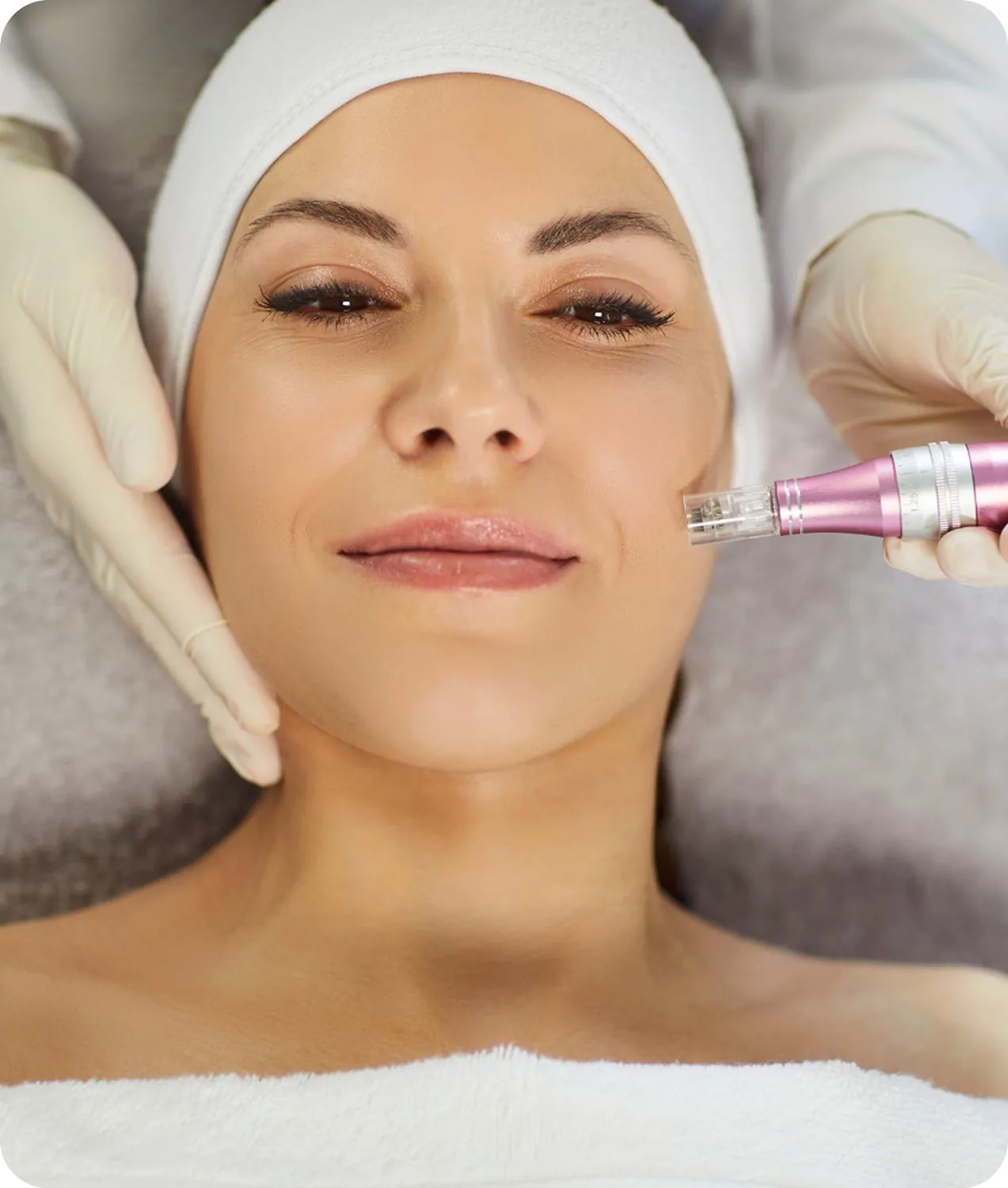
Botox and skin treatments such as microneedling and PRP do different jobs. Botox relaxes the muscles behind expression lines. Microneedling and PRP work on the skin itself: its collagen, texture and tone. Planned well, together they address both how your face moves and the quality of your skin. Here is how each works, why they pair well, and how to time them.
Why combine Botox with other skin treatments?
Muscle movement and skin quality are different problems
Botox treats lines caused by movement, such as crow's feet, frown lines and forehead creases, which form from repeated expressions.
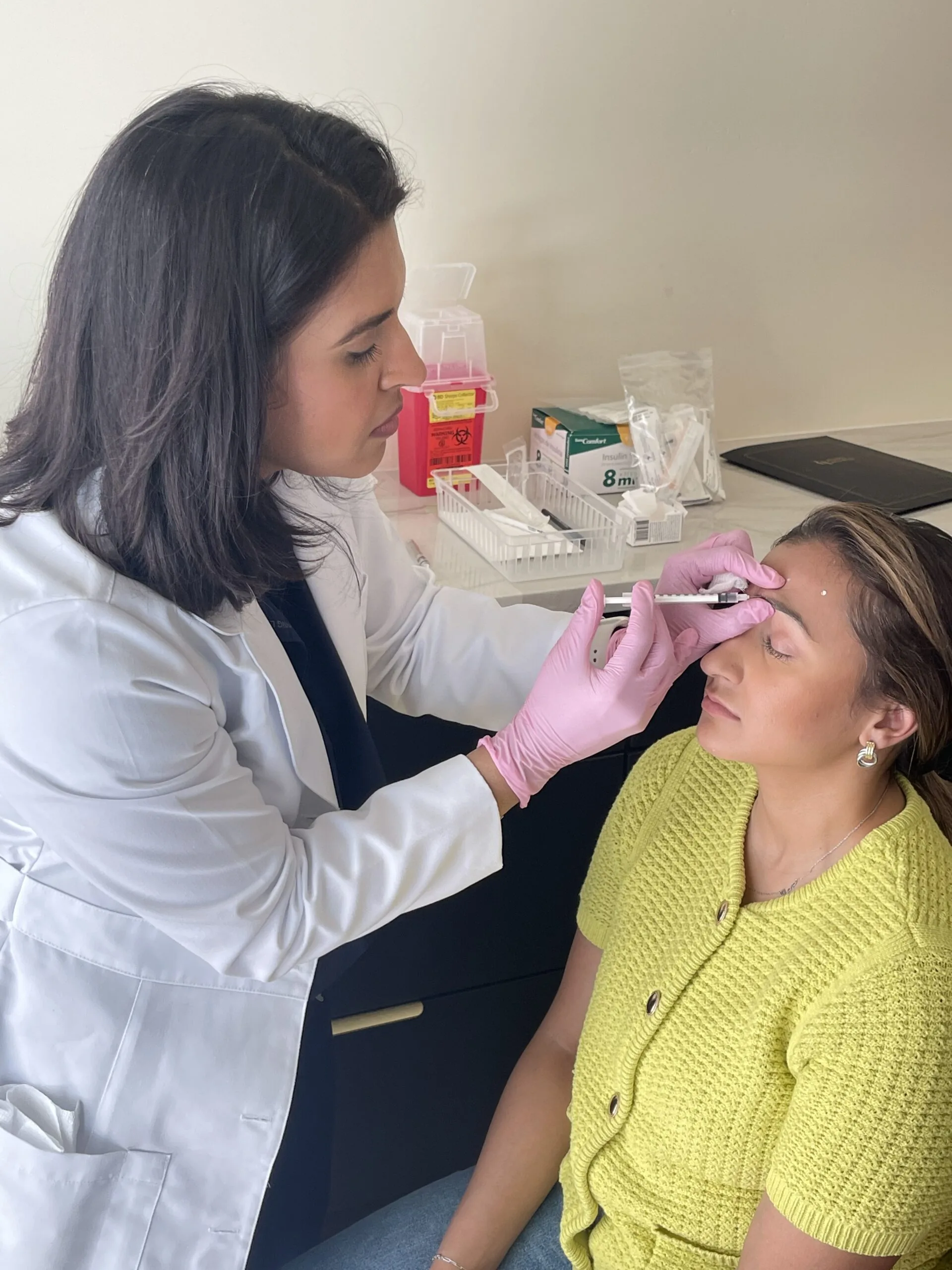
Microneedling and PRP work on skin health instead, by:
- stimulating new collagen and elastin
- refining pores and surface irregularities
- improving tone, texture and firmness
What a combined plan can offer
- a more natural result, because both lines and skin quality are addressed
- more collagen, which improves elasticity and firmness over time
- softer fine lines, acne scars and early signs of aging
- more even tone and texture, so makeup goes on more smoothly
Who it suits
A combined plan suits people who want to soften lines and also brighten dull skin, reduce acne scarring or improve overall skin quality. It works well for:
- early signs of aging
- fine lines and mild wrinkles
- mild to moderate acne scars
- uneven texture or enlarged pores
- crepey skin or a loss of elasticity
How Botox and microneedling work together
Microneedling builds collagen
Microneedling uses fine, medical-grade needles to make controlled micro-injuries in the skin. These tiny channels trigger the body's healing response, which leads to:
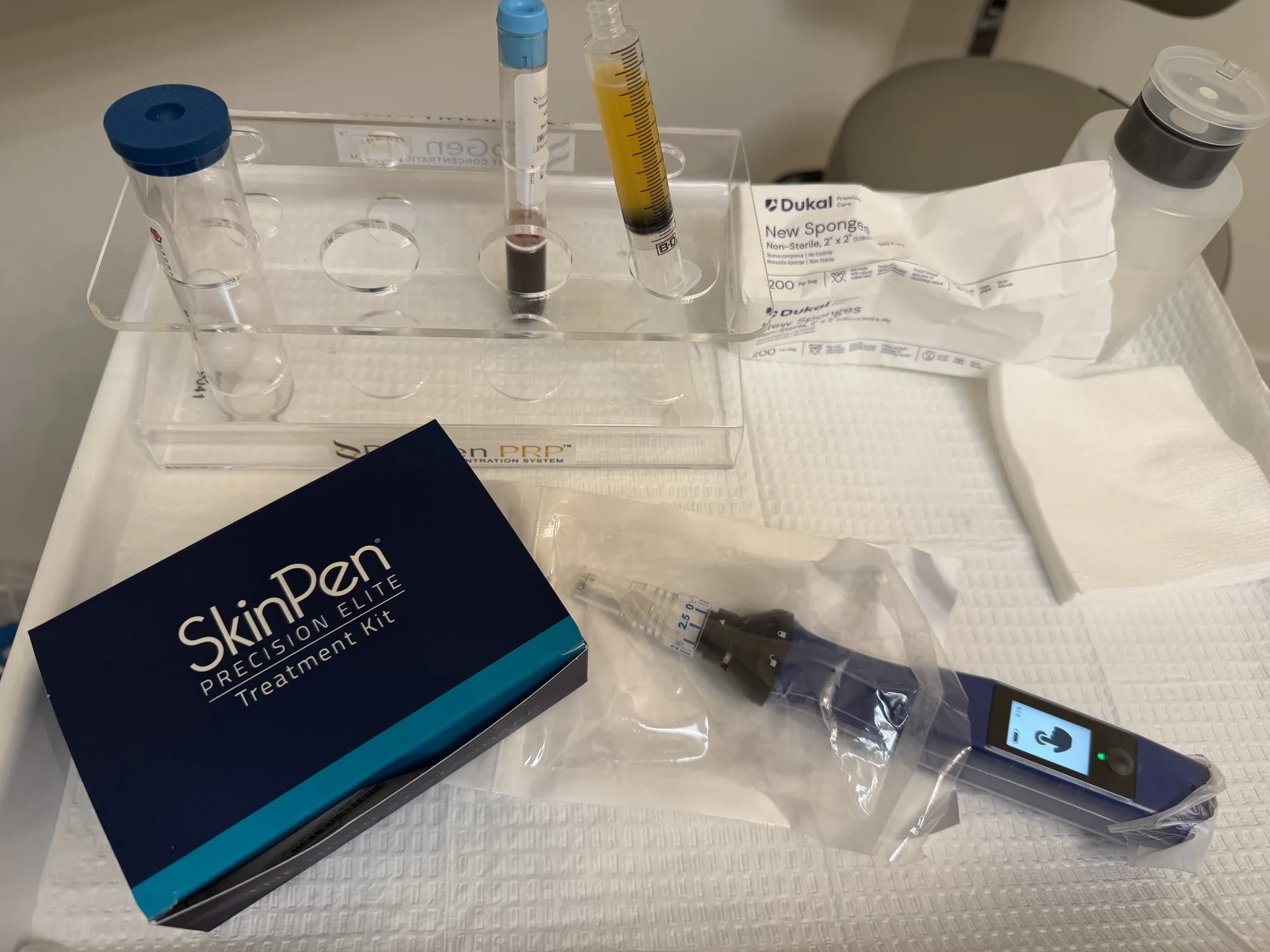
- more collagen and elastin
- smoother, firmer, more even skin
- softer acne scars and fine lines
- better tone and brightness
Botox softens expression lines
Botox treats lines caused by frowning, smiling or raising the eyebrows. By relaxing targeted muscles, it softens fine lines and moderate wrinkles, helps stop deeper creases forming and gives a smoother, more rested look.
Microneedling improves the texture of the skin, and Botox softens the expression lines that skin treatments alone cannot.
Why they do not interfere when timed correctly
Botox is injected into the muscles beneath the skin, while microneedling works on the surface and upper layers of the skin. Because they work at different depths, they can be combined safely when they are scheduled properly, on separate days.
Common areas
- Forehead: smoothing lines and improving tone
- Cheeks: refining texture and softening shallow scarring
- Around the eyes: crow's feet and skin firmness
- Between the brows: softening frown lines
Benefits of combining Botox with microneedling
Smoother texture and fewer fine lines
Microneedling stimulates collagen and elastin, the proteins behind firm, smooth skin. That helps minimize fine lines and early wrinkles, smooth rough or uneven texture, and improve skin density. With Botox relaxing expression lines on top, the overall result is noticeably smoother skin.
Better absorption of skincare
Microneedling creates tiny channels that help serums and medical-grade skincare reach deeper. After treatment, the skin is more receptive to ingredients such as hyaluronic acid, vitamin C and peptides. Your provider will tell you which products are safe to use and when.
Healthier skin over time
Because microneedling strengthens the skin's structure, skin quality improves over time. When Botox is added, lines soften more evenly and the overall result looks smoother and more uniform.
A natural look
This pairing softens wrinkles without removing expression, and improves texture and tone without adding volume. The result looks refreshed, not frozen or overdone.
Little downtime when spaced properly
Both treatments involve minimal downtime on their own. Spacing them one to two weeks apart lets microneedling redness settle before Botox is injected and keeps the Botox undisturbed by post-treatment inflammation. Most people return to normal activities quickly.
How PRP and Botox complement each other
PRP uses your own platelets
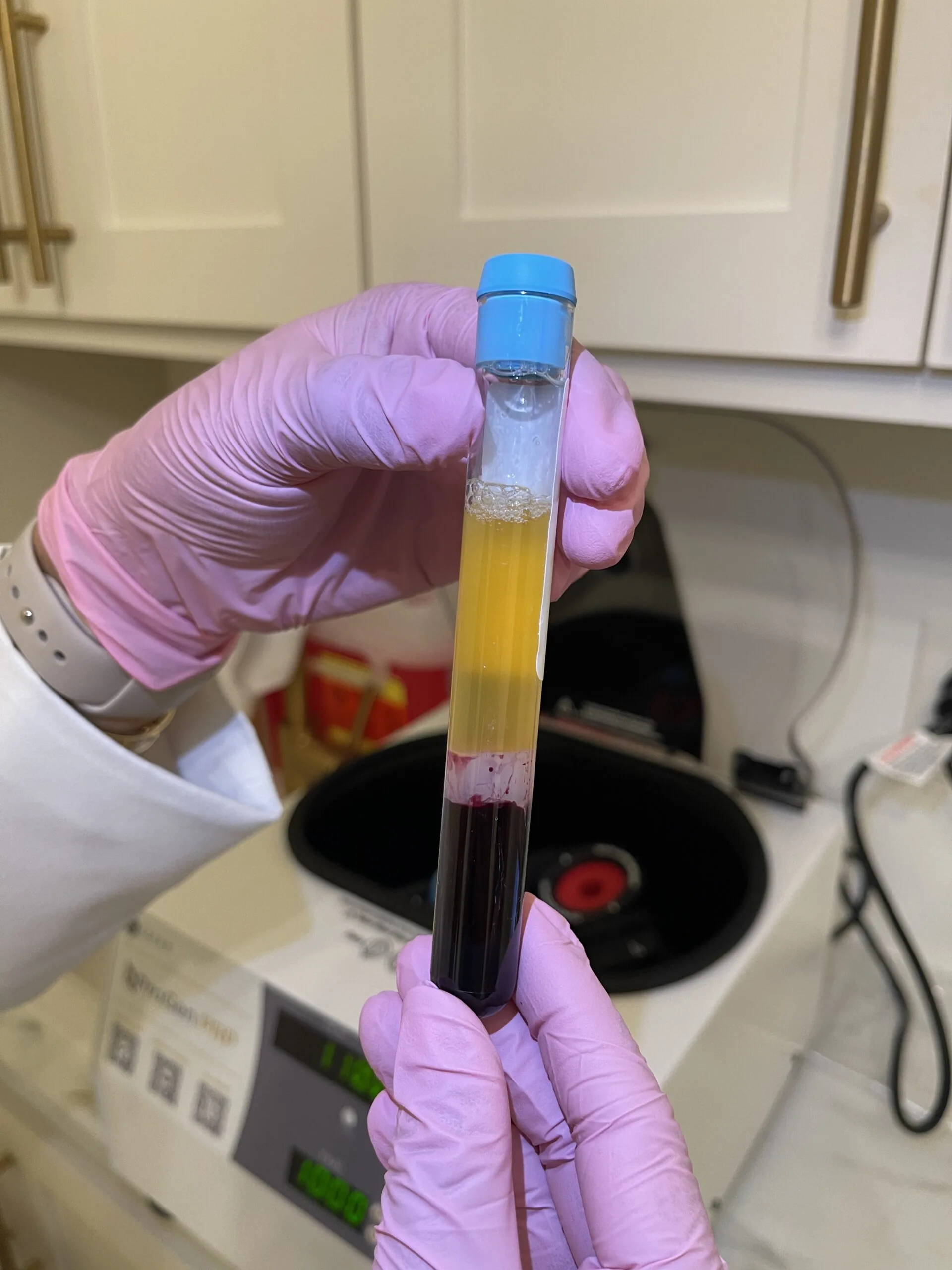
PRP (platelet-rich plasma) is made from a small sample of your own blood. After it is spun in a centrifuge, the concentrated platelets, which are rich in growth factors, are applied to or injected into the skin to support collagen and elastin production, skin repair and firmness.
What PRP targets
Botox focuses on muscle-related wrinkles. PRP works on the quality of the skin, and can help with:
- uneven tone
- rough texture or dullness
- mild to moderate acne scars
- fine lines from weakened skin structure
- overall brightness
Muscle activity and skin regeneration
- Botox targets the muscles below the surface to soften crow's feet, frown lines and forehead lines.
- PRP targets the skin itself, encouraging cell turnover, collagen rebuilding and better texture.
Safe when performed in a medical setting
Because PRP and Botox act on different layers of the face, they can be combined safely when given by trained medical professionals, with the right timing and technique. PRP is a medical procedure, not a spa treatment: it should be done by a licensed medical professional, in a medical clinic, with sterile, medical-grade equipment.
Benefits of combining PRP with Botox
Firmer, brighter skin
The growth factors in PRP support cell renewal and collagen production. In treated areas, PRP can help improve elasticity and firmness, restore a healthy glow and reduce dullness.
Support for healing
After collagen-stimulating treatments such as microneedling, PRP can support the skin's repair, with smoother, more even healing.
Skin that shows Botox at its best
As PRP improves the skin's thickness and elasticity, Botox results can look softer and more natural, because firmer, collagen-rich skin holds a smoother texture.
Delicate areas
PRP is often used in thin or delicate areas where injectables alone may not be enough, such as crepey skin around the eyes or cheeks, a loss of elasticity in the lower face, and persistent dullness.
A regenerative, non-surgical option
For people who want to avoid surgery and prefer treatments that use the body's own healing, PRP and Botox together offer minimal downtime, gradual collagen building and results that look natural and subtle.
Timing: same day or staged appointments?
Microneedling first, then Botox
The usual order is microneedling first, then Botox one to two weeks later, once the skin has calmed. Microneedling causes superficial trauma and increases blood flow, which could move freshly injected Botox to areas it was not meant for, so the two are not done on top of each other on the same day. If your plan starts with Botox, your provider will space the microneedling session one to two weeks later.
Microneedling and PRP together
PRP pairs very well with microneedling, and the two are often done in the same session. That is what microneedling with PRP is. A typical staged plan looks like this:
- Microneedling with PRP on day one
- Botox one to two weeks later
Plans are tailored to your skin
Your provider sets the timing around your skin, including its thickness and sensitivity, any acne or reactivity, previous cosmetic treatments, the level of correction you want, and your age.
Planning around events
Many people plan combination treatments around weddings, holidays, photo shoots or work events. A good schedule lets microneedling redness settle, gives Botox one to two weeks to take full effect, and avoids swelling before the big day. Starting your plan three to six weeks before an event is a sensible rule.
Who is a good candidate for combination treatment?
People who want a natural look
These combinations suit people who want to look refreshed, not frozen or changed: subtle softening of lines, a healthier complexion, gradual rather than dramatic improvement, and results that enhance their own features.
People with texture concerns, acne scarring or early aging
Combination plans often help with fine lines and early wrinkles, mild to moderate acne scarring, enlarged pores, rough or uneven texture, dull or dehydrated skin, and early loss of elasticity.
When a physician needs to clear you first
Combination treatments are suitable for most people, but some conditions need a closer look first:
- autoimmune disorders
- bleeding or clotting disorders
- active infections or uncontrolled acne
- recent use of certain medications, such as isotretinoin (Accutane)
- pregnancy or breastfeeding
- a history of poor wound healing
Aftercare and what to expect
Avoid heat and exercise for 24 to 48 hours
After Botox, and especially after microneedling or PRP, the skin is more sensitive. To protect your results:
- avoid hot tubs, steam rooms and saunas
- skip intense workouts and anything that raises your body temperature
- keep your head upright for several hours after Botox
- avoid direct sun for at least 24 hours
Gentle, hydrating skincare
For the first few days your skin may feel warm, tight or slightly rough. A gentle routine helps: hydrating serums such as hyaluronic acid, a gentle non-foaming cleanser, a fragrance-free moisturizer, and mineral sunscreen once the skin has calmed.
Different timelines
- Botox usually starts working in 3 to 7 days, with the full effect around two weeks.
- Microneedling and PRP often give a subtle glow within a day or two, with texture and brightness improving gradually over two to six weeks.
When to expect the full result
Because these treatments work at different layers, improvement builds gradually. Many people see a fresher complexion within the first week, smoother texture by weeks three to four, the best combined result around six to eight weeks, and continued collagen improvement for three to six months after microneedling or PRP.
A typical follow-up schedule
- a Botox check at two weeks, with small adjustments if needed
- microneedling or PRP sessions four to six weeks apart for a collagen-building series
- a combination series repeated once or twice a year for maintenance
- skincare advice to support long-term results
Microneedling and Botox, or PRP and Botox?
Microneedling for texture, acne scars and pores
Microneedling with Botox suits people whose main concern is the surface of their skin: enlarged pores, rough or uneven texture, fine lines from collagen loss, acne scars and shallow indentations, and early aging that affects smoothness.
PRP for firmness, healing and delicate skin
PRP with Botox suits people who want regenerative skin treatment for thin, crepey skin around the eyes, mild loss of elasticity, dullness, or weak skin structure. Because it uses your own platelets, it is often chosen for thin or delicate areas.
When all three make sense
For people with several concerns, such as texture, early wrinkles and reduced elasticity, a phased plan may include all three:
- Microneedling with PRP to support collagen
- Botox two weeks later to soften expression lines
- Further microneedling with PRP sessions four to six weeks apart
Why a consultation comes first
The right plan depends on your skin's current condition, your age, your medical history, how quickly you want results, and your comfort with downtime. At Lotus MD, Dr. Sanghera's team builds the plan around you. Read more about Botox and skin rejuvenation and microneedling with PRP, see how to prepare for a PRP microneedling session, or book an appointment.