

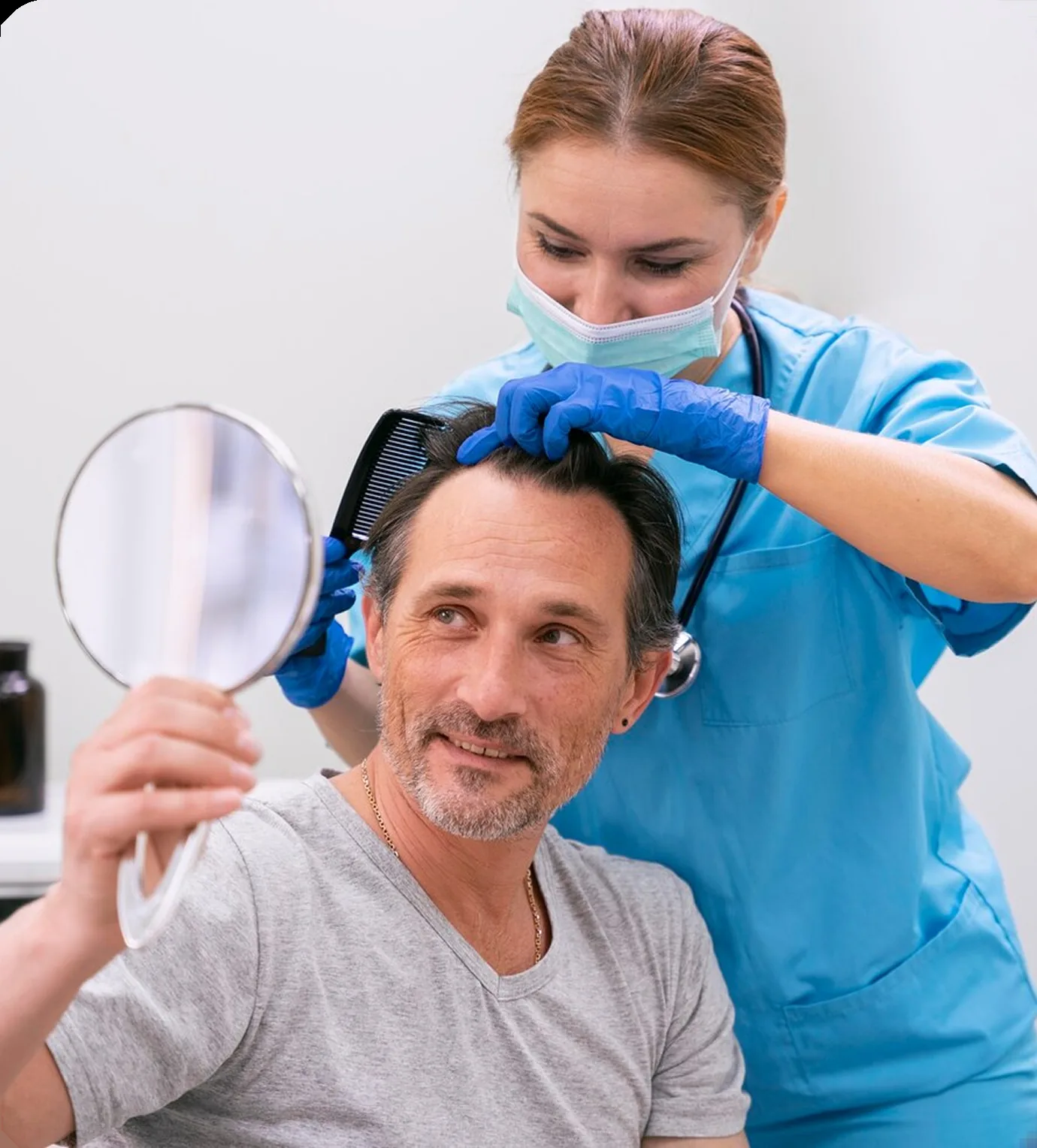
PRP hair restoration uses platelet-rich plasma, a concentrate made from a small sample of your own blood, to support thinning hair. Injected into the scalp, its growth factors aim to strengthen weakened follicles, improve blood flow and lengthen the growth phase of the hair cycle. It is non-surgical, and it works best when thinning is caught early.
How PRP hair restoration works
How platelet-rich plasma stimulates hair follicles
PRP treatment starts with a small blood sample, which is processed to concentrate the plasma rich in growth factors. Injected into the thinning areas of the scalp, these growth factors can stimulate weakened follicles, increase blood flow and encourage regrowth.
The science of growth factors
PRP contains growth factors such as PDGF (platelet-derived growth factor), VEGF (vascular endothelial growth factor) and EGF (epidermal growth factor). These signal the body to repair tissue, improve circulation and extend the active (anagen) growth phase of the hair cycle.
A non-surgical option
Unlike a hair transplant, PRP involves no surgery, and because it is made from your own blood, there is no foreign substance and a very low risk of an allergic reaction. Many patients choose it because it works with the body's own healing to improve hair and scalp health over time.
Benefits of PRP for hair loss and thinning hair
PRP has become a popular treatment for men and women with thinning hair or early hair loss. At Lotus MD, it is part of our physician-led care for patients who want to improve hair density over time.
Stronger, thicker hair
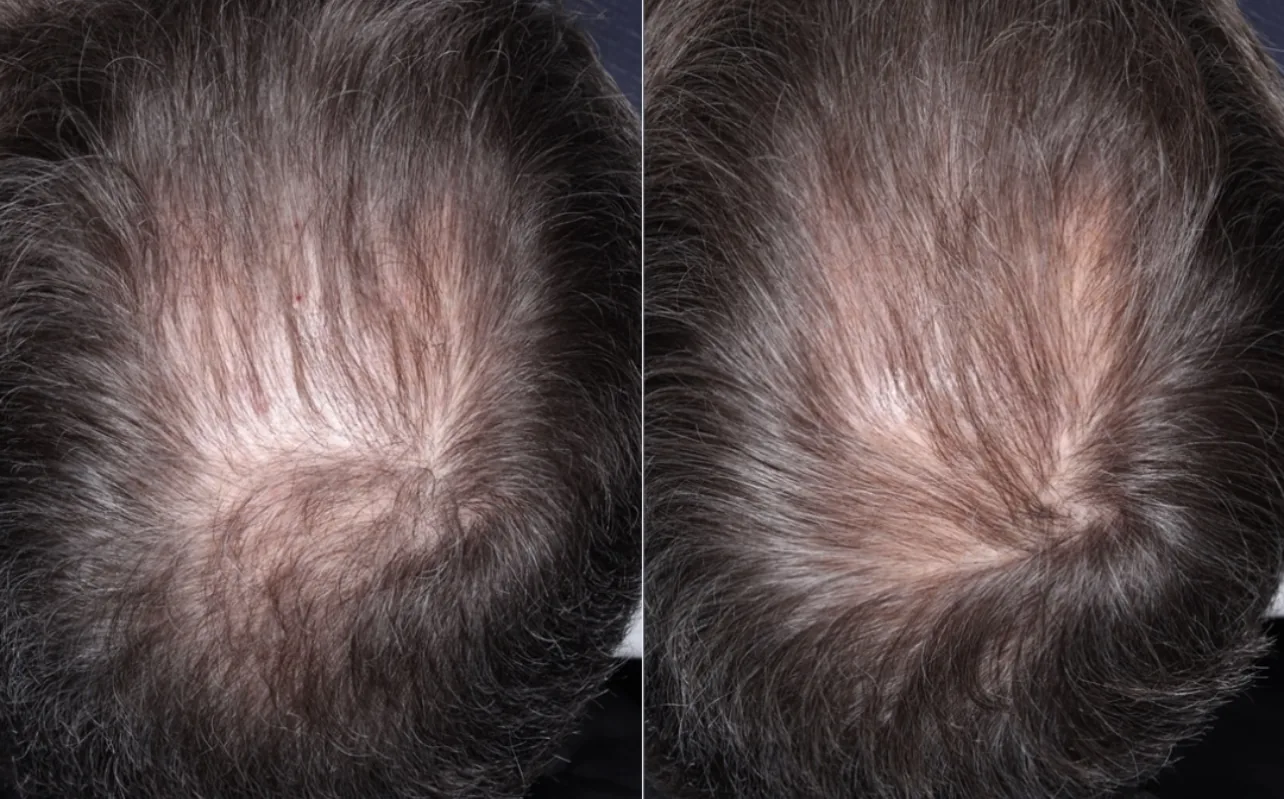
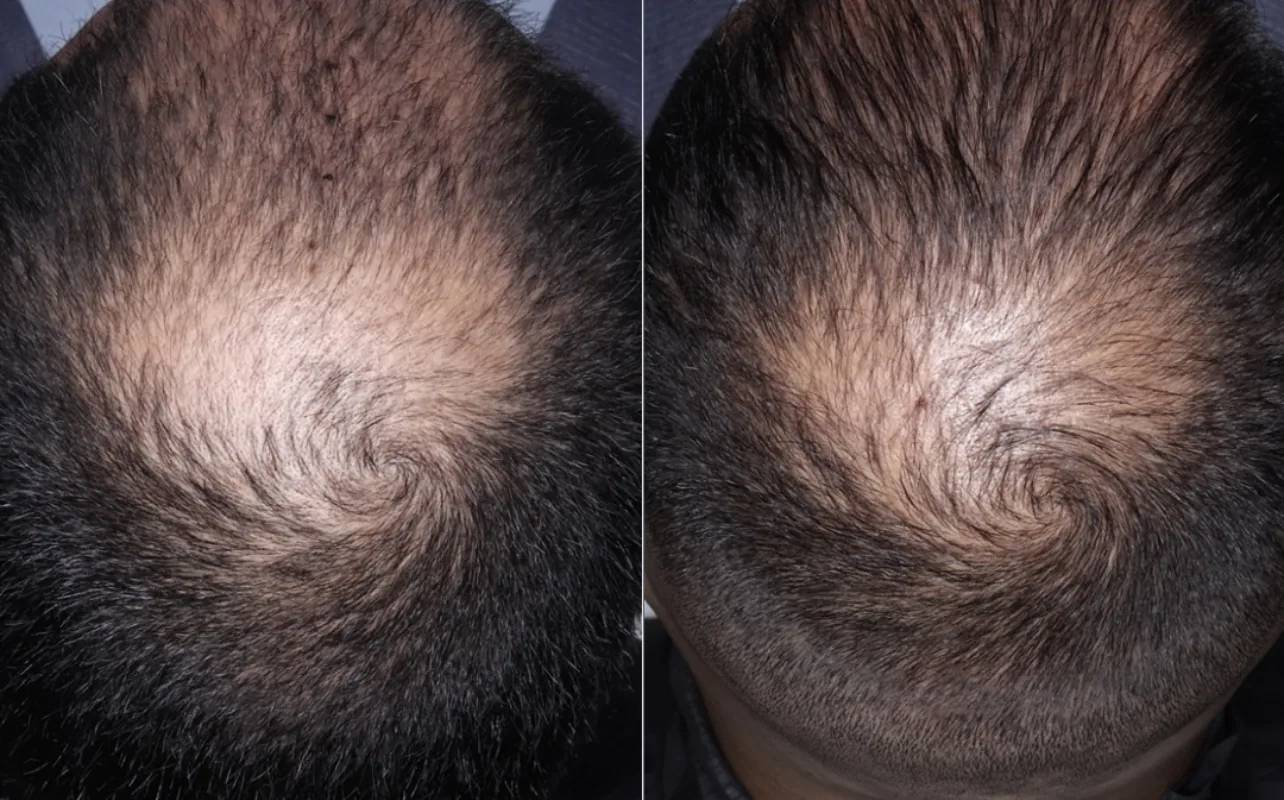
PRP aims to reactivate weakened follicles and feed them growth factors. As blood flow improves, existing strands can become stronger and thicker. Many patients notice more volume and better texture within a few months of consistent treatment.
Less shedding and slower progression
By stimulating follicle activity and lengthening the growth phase, PRP can reduce excessive shedding and slow the progression of pattern hair loss. This helps most for people in the early to moderate stages who want to keep the hair they have.
Who is a good candidate for PRP hair treatment?
Hair loss has many causes, which is why every PRP plan at Lotus MD starts with Dr. Sanghera reviewing your scalp, medical history and goals.
Men and women with early thinning
PRP works best in the early stages of hair loss, while follicles are still active but producing weaker or thinner strands. Whether you have noticed a receding hairline, a widening part or an overall loss of volume, PRP can help strengthen existing follicles before more significant loss occurs.
Stress-related or postpartum shedding
Hormonal changes and high stress can trigger temporary shedding. PRP may help support the hair's growth cycle during recovery. Because the causes vary, Dr. Sanghera will check what is driving your shedding before recommending treatment.
The PRP hair restoration process, step by step
At Lotus MD, every PRP hair restoration treatment is led by Dr. Sanghera, a board-certified physician through the American Board of Family Medicine.
Consultation and scalp assessment
Your first visit is a consultation. Dr. Sanghera evaluates your scalp health, reviews your medical history and looks for the underlying cause of your hair loss, then designs a plan around your goals, hair type and stage of thinning.
Blood draw and centrifuge
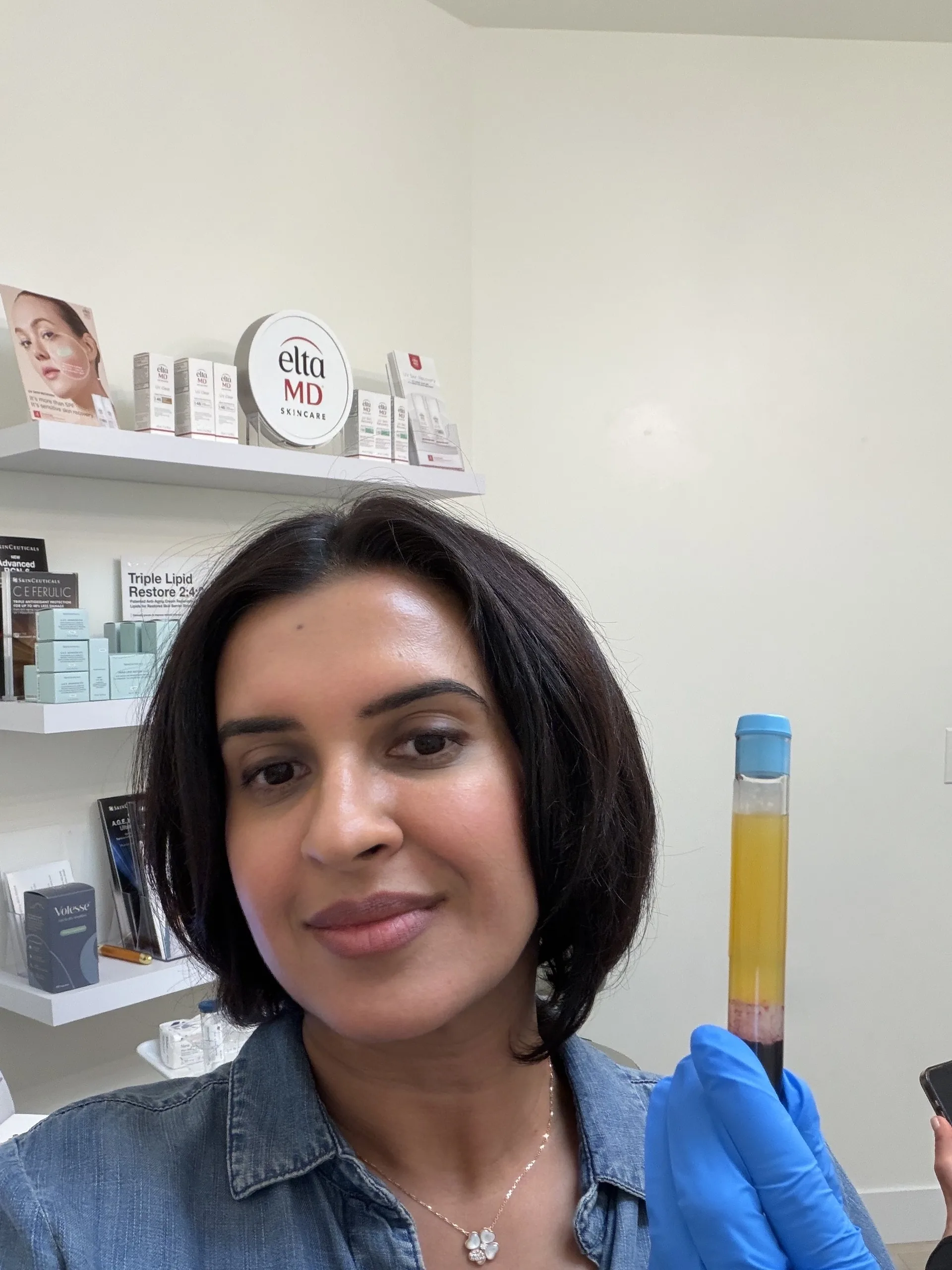
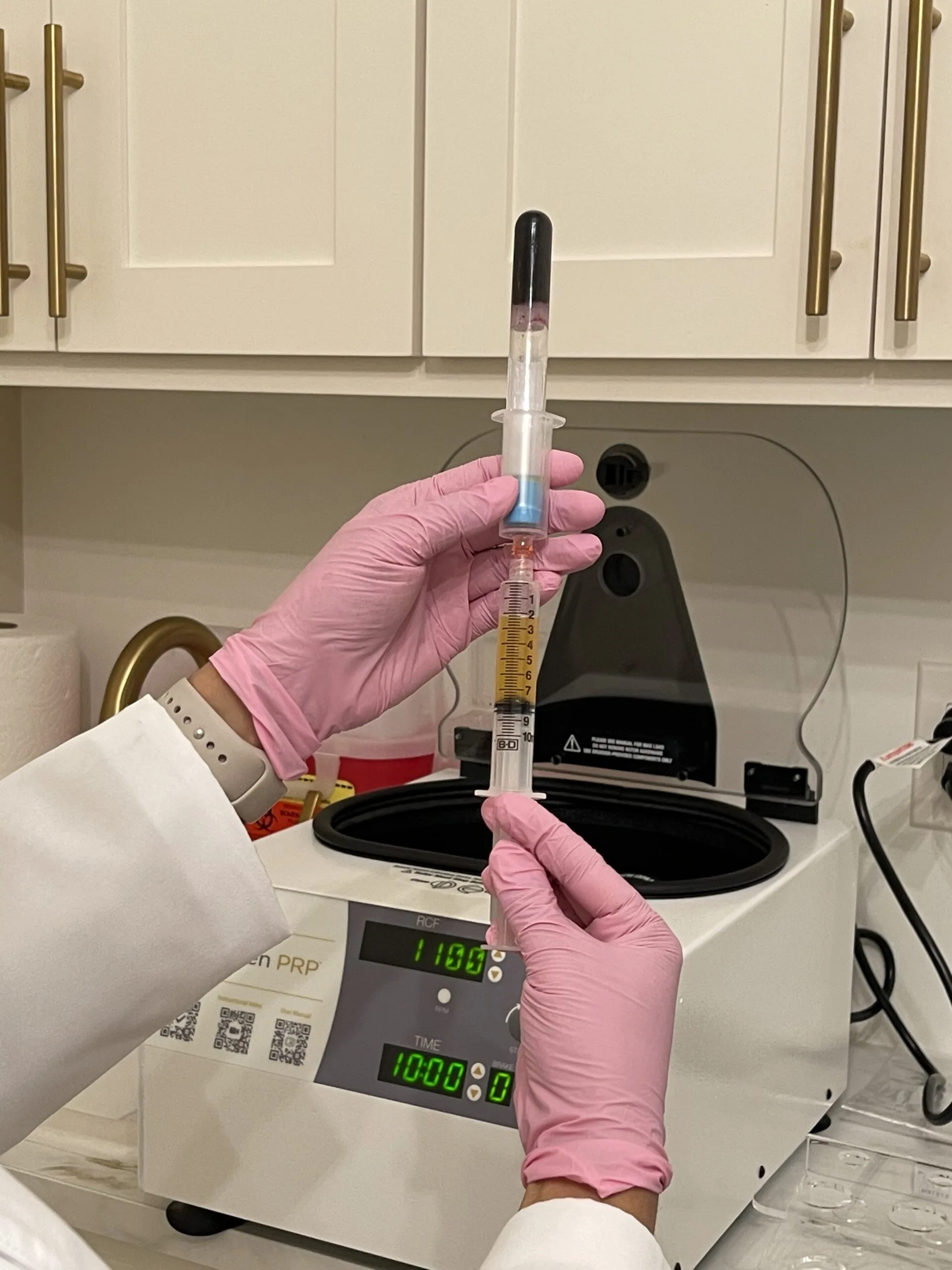
Once the plan is set, a small blood sample is drawn, much like a routine lab test. It is spun at high speed in a centrifuge to separate the platelet-rich plasma from the other parts of the blood. That concentrated plasma is the basis of your treatment.
Injections into the scalp
Using fine, medical-grade needles, the PRP is injected into the areas where thinning is most noticeable, delivering growth factors directly to the follicles.
Comfort and safety
Treatments are performed in a sterile medical setting using physician-supervised protocols. You may have mild sensitivity or redness for a few hours, and most patients return to normal activities the same day.
What to expect after PRP hair treatment
PRP gives gradual, natural-looking improvement without the recovery time of surgery, so it fits easily into most schedules.
Recovery and aftercare
After a session you may notice mild redness, tenderness or swelling where the injections went in, for a day or two. These effects are temporary and usually settle on their own. Dr. Sanghera gives each patient aftercare instructions, which may include:
- not washing your hair for 12 to 24 hours
- skipping vigorous exercise and heat for 24 hours
- avoiding hair dye, sprays and other products on the scalp for a few days
Most patients go back to their normal day immediately.
When results show
PRP works gradually. Results vary, but many patients notice less shedding and thicker hair within two to three months. New growth usually becomes more noticeable after the third or fourth session, with continued improvement in volume and texture over the following months.
How many sessions you need
A typical plan is three to four sessions spaced about four to six weeks apart, with maintenance sessions every six to twelve months to sustain results. Dr. Sanghera will tailor your plan to your scalp, your goals and how you respond.
How PRP compares with other hair restoration options
PRP, minoxidil and finasteride
Topical minoxidil and oral finasteride are common hair loss treatments, and they work differently from PRP.
- Minoxidil stimulates the follicles and must be applied every day to keep its effect.
- Finasteride helps prevent hormone-driven hair loss in men but can have side effects, including reduced libido.
PRP uses your body's own platelets to support the follicles, without a daily medication. Some patients use PRP alongside physician-approved medication. Dr. Sanghera will advise on what suits you.
PRP and hair transplant surgery
A hair transplant surgically moves follicles from one part of the scalp to another, which is invasive, costly and needs significant downtime. PRP is non-surgical and suits people who want a lower-risk option, or who want to support their results after a transplant.
Combining PRP with microneedling
PRP can be paired with scalp microneedling, which makes tiny channels in the skin that help the PRP reach deeper. Dr. Sanghera will tell you whether a combined approach suits you.
Safety and possible side effects
Because PRP is made from your own blood, the risk of an allergic reaction is very low. Every session at Lotus MD is performed under Dr. Sanghera's medical supervision.
Common, mild reactions
After treatment you may have temporary tenderness, redness or mild swelling where the injections went in, usually settling within 24 to 48 hours. Some people notice slight scalp tightness or sensitivity. PRP needs no incisions or stitches, and most patients return to work or daily activities straight away.
Why PRP is well tolerated
PRP is autologous, meaning it comes from your own body, so no foreign substance is injected. As with any injection, there is a small risk of infection, which is why all equipment is sterile and single-use, and every treatment is done in a clean medical setting.
When to contact your provider
Side effects are uncommon and usually mild, but contact the clinic if you have prolonged discomfort, unusual swelling or signs of infection, such as warmth or discharge where the injections went in.
Why choose Lotus MD for PRP hair restoration
Physician-led care
Each PRP procedure is directed by Dr. Sanghera, Founder and Medical Director of Lotus MD, board certified by the American Board of Family Medicine, with nearly two decades of clinical experience.
Medical-grade equipment and sterile technique
We use medical-grade centrifuge systems to prepare PRP, and every procedure is performed in a sterile medical setting with single-use equipment.
A plan built around you
No two patients lose hair the same way. Whether you are dealing with early thinning, postpartum shedding or maintenance after a transplant, your plan is built around your scalp, your hair density and your long-term goals.
Frequently asked questions
How soon will I see results?
Results vary, but most patients notice subtle improvements, such as less shedding and healthier texture, within two to three months of starting PRP. New growth often shows after the third or fourth session, with continued thickening over time.
How long do PRP results last?
Results can last 12 to 18 months, depending on your age, scalp health and lifestyle. For the best outcome, Dr. Sanghera usually recommends an initial series followed by maintenance sessions every six to twelve months.
Can PRP be combined with other treatments?
Yes. PRP can be combined with scalp microneedling or with physician-approved topical and oral treatments. Dr. Sanghera will design a plan where each part supports the others.
How do I get started?
Read more on our PRP hair restoration page, compare PRP with PRF and exosomes, book an appointment or call (916) 249-7903.