Botox Results Timeline: What to Expect Day by Day
Day 1–2: Injection Site Settling With Minor Changes
During the first 24 to 48 hours, Botox is still binding to the nerve endings beneath the skin. You may experience:
- Mild redness or small bumps at the injection sites
- Light tenderness or a faint sensation of tightness
- Slight swelling that resolves within a few hours
At this stage, visible changes are usually minimal. Most clients return to normal daily activities immediately.
Day 3–5: Softening of Fine Lines Begins
As the neuromodulator starts to take effect, early improvements become noticeable. Fine lines around the eyes, forehead, or between the brows begin to soften. You may feel the treated muscles becoming less active as Botox reduces their ability to contract fully.
Day 7–10: Peak Improvement for Most Clients
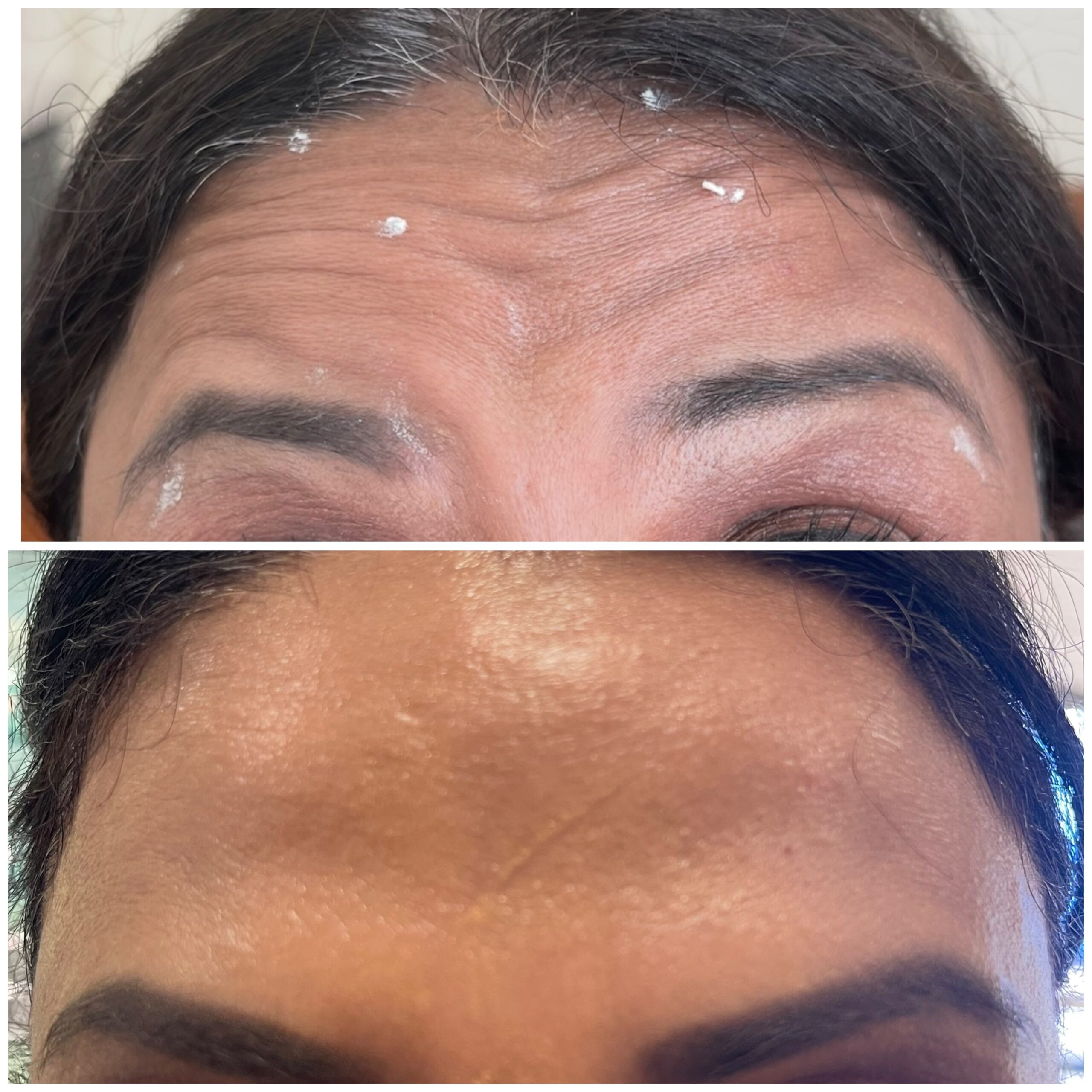
This is when the most significant changes appear. Deep expression lines smooth out, dynamic wrinkles fade, and the skin looks more relaxed and refreshed. For the majority of clients, this marks the peak period of Botox effectiveness.
Week 2: Final Results Appear
By the two-week mark, Botox has fully settled, and your final results are visible. Any unevenness or minor asymmetry that appeared in the first few days typically evens out by this point. If adjustments are required, your provider will usually assess this during a follow-up visit.
Why Results Appear Gradually
Botox treatment does not work instantly because it takes time for the product to attach to the nerve endings and block the signals that activate muscle contractions. As the muscles gradually respond to reduced nerve activity, the overlying skin relaxes and wrinkles soften. This slow progression ensures natural-looking, refreshed results rather than sudden, dramatic changes.
Roseville Note: Typical Follow-Up Appointments at Medical Clinics
In Roseville, reputable medical clinics commonly schedule a follow-up appointment 10 to 14 days after treatment. This visit allows the provider to:
- Assess your final results
- Ensure symmetry and proper muscle relaxation
- Make small touch-ups if needed
Routine follow-ups are considered best practice to maintain safe, predictable, and high-quality outcomes.
How Long Botox Usually Lasts for Most People
Typical Duration: 3–4 Months
For most people, Botox lasts around three to four months. During this period, the treated muscles remain relaxed, preventing deep creases from forming and keeping the skin smoother and more refreshed.
Some Clients May Experience Results for 5–6 Months
A smaller percentage of clients enjoy longer-lasting benefits, sometimes up to five or six months. This extended duration is more common among individuals who:
- Receive consistent treatments over time
- Have naturally weaker facial muscles
- Follow aftercare instructions closely
- Have slower metabolic rates
First-Time Users May Metabolize Botox More Quickly
If you’re new to Botox, your first treatment might fade slightly faster. This happens because:
- The muscles are stronger and more resistant to relaxation
- Your body may break down the product more quickly until it becomes familiar with it
- Neuromodulator effects typically “train” the muscles over repeat sessions
Areas That Fade Faster vs. Areas That Last Longer
Different injection areas naturally metabolize Botox at different speeds:
Areas that fade faster:
- Forehead lines
- Glabella (frown lines between the brows)
- Crow’s feet
Areas that last longer:
- Chin dimpling
- Masseter muscles (jawline slimming or teeth grinding treatment)
- Neck bands (platysma)
Muscle Strength and Facial Expression Patterns Influencing Longevity
The strength of your facial muscles and your expression habits play a major role in how long Botox lasts. Some factors that can shorten duration include:
- Strong, highly active facial muscles
- Frequent frowning, squinting, or eyebrow-raising
- Intense workouts or very active lifestyles
- Faster metabolic rates
Factors That Influence How Long Botox Lasts
Age and Skin Elasticity
Younger clients or those with naturally good skin elasticity often enjoy longer-lasting results. Their skin rebounds more easily, allowing the smoothing effects of Botox to stay visible.
Older clients or those experiencing collagen loss may metabolize Botox more quickly, as deeper-set lines and reduced elasticity can affect how long the relaxed muscle remains smooth.
Strength of Facial Muscles
The natural strength and activity level of your facial muscles play a significant role in longevity.
- Stronger muscles—such as prominent frown muscles or heavily used forehead muscles—tend to break down Botox faster.
- Weaker or less active muscles may stay relaxed for a longer period, extending the duration of results.
Type of Product Used (Health Canada–Approved Brands)
Botox Cosmetic, Dysport, Xeomin, and Nuceiva (approved in Canada) are all neuromodulators but differ slightly in formulation and diffusion patterns.
Your injector will choose the appropriate product based on:
- Treatment area
- Desired precision
- Muscle strength and depth
- Your history with neuromodulators
Lifestyle Habits Such as Intense Exercise or Smoking
Certain lifestyle factors can speed up how quickly your body metabolizes Botox:
- High-intensity exercise: Athletes or those who work out vigorously may notice results wearing off sooner due to increased metabolism.
- Smoking: Nicotine contributes to faster collagen breakdown and reduced skin health, shortening Botox results.
- Excessive sun exposure or tanning: UV damage accelerates skin aging and can affect how the treated muscles respond over time.
Healthy lifestyle habits generally help prolong results.
Injector Technique and Dose Accuracy
The expertise of your injector is one of the most critical factors affecting longevity. Small details matter, such as:
- Correct placement in the muscle
- Appropriate dosage for the muscle strength
- Even distribution for balanced, natural results
- Understanding facial anatomy and symmetry
Roseville Considerations: Importance of Medically Supervised Clinics
In Roseville, Botox must legally be performed by, or under the supervision of, qualified medical professionals. Reputable clinics ensure:
- Proper assessment of your facial anatomy
- Accurate dosing based on Health Canada standards
- Safe and sterile injection techniques
- Appropriate follow-up appointments to monitor results
How to Make Your Botox Results Last Longer
Scheduling Maintenance Treatments before Full Movement Returns
One of the best ways to prolong your results is to schedule maintenance appointments before full muscle movement has returned. Most clients benefit from repeating treatments every three to four months. Keeping a consistent schedule helps “train” the muscles to stay relaxed, which can gradually extend how long each session lasts.
Supporting Results with Medical-Grade Skincare
Using high-quality skincare products can make a noticeable difference in how long your Botox results remain visible. Medical-grade options formulated with ingredients like retinol, peptides, hyaluronic acid, and antioxidants help:
- Improve skin texture and elasticity
- Reduce fine lines and pigmentation
- Enhance overall skin health
Healthy skin amplifies the smoothing effects of Botox and contributes to longer-lasting results.
Avoiding Heat, Saunas, and Strenuous Workouts for 24 Hours
During the first 24 hours after treatment, it’s important to avoid anything that increases circulation or heat around the face. Activities to avoid include:
- Saunas and steam rooms
- Hot tubs
- Intense cardio or heavy workouts
- Hot yoga
Excess heat and increased blood flow may cause the product to diffuse into unintended areas, potentially reducing effectiveness or altering the final result.
Protecting Skin from UV Exposure
Sun protection is essential for maintaining youthful skin—and your Botox results. UV exposure accelerates collagen breakdown, deepens wrinkles, and can shorten the longevity of your treatment. To protect your results:
- Apply broad-spectrum SPF daily
- Wear hats or visors outdoors
- Avoid tanning beds
- Stay in shaded areas during peak sunlight hours
Consistent sun protection helps preserve smooth, even skin long after your treatment.
Hydration and a Balanced Lifestyle
Hydration and overall wellness significantly influence how your skin responds to treatment. To support longer-lasting results:
- Drink plenty of water
- Maintain a nutritious diet
- Avoid smoking and excessive alcohol consumption
- Get quality sleep
Healthy, hydrated skin tends to hold onto the effects of Botox more effectively than dehydrated or stressed skin.
Following Aftercare Instructions From Your Injector
Each injector may provide customized aftercare based on your treatment plan and facial anatomy. Following their instructions is essential for achieving optimal results. Common recommendations include:
- Avoid rubbing or massaging the treatment area
- Keep your head upright for several hours
- Avoid lying flat or sleeping face-down immediately after treatment
- Refrain from alcohol for at least 24 hours
Adhering closely to professional guidance ensures the Botox settles properly and works exactly as intended.
Botox Maintenance Schedule: How Often Should You Book Treatments?
Standard Recommendation: Every 3–4 Months
Most clients benefit from scheduling Botox appointments every three to four months. This timeframe aligns with how long neuromodulators typically last and helps prevent full muscle activity from returning. Staying within this window ensures your results look natural and consistent year-round.
Benefits of Staggered Touch-Ups
Some clients choose to schedule smaller, staggered touch-ups rather than waiting for the full effect to wear off. This approach offers several advantages:
- Maintains smoother results with fewer fluctuations
- Requires less product per visit
- Helps prolong the overall longevity of treatment
- Reduces the noticeable return of wrinkles between appointments
Staggered treatments can be especially helpful for areas with strong or highly expressive muscles.
Planning Around Major Events Like Weddings or Travel
If you have an important event coming up—such as a wedding, professional photoshoot, or vacation—it’s best to plan your Botox four to six weeks in advance.
This allows time for:
- Full settling and peak results
- Any minor touch-ups, if needed
- A natural, refreshed appearance without rushing
For travel, particularly to hot climates, planning ahead is also wise to avoid the immediate post-treatment heat restrictions.
High-Demand Roseville Clinics Often Require Advance Booking
In Roseville, reputable medical aesthetics clinics often have busy schedules, especially during peak seasons such as summer and pre-holiday periods. To secure your preferred date and provider, it’s recommended to:
- Book your maintenance appointment immediately after each session
- Reserve seasonal or event-related appointments at least 4–8 weeks in advance
Advanced scheduling helps ensure you don’t miss the ideal treatment window.
How Consistent Treatments Help “Train” Muscles
Over time, consistent Botox treatments can help retrain the treated muscles to contract less forcefully. This “muscle training” effect can lead to:
- Longer intervals between treatments
- Softer expression lines even when the Botox begins to wear off
- More natural, youthful, and predictable results
Regular maintenance not only preserves your appearance but can also reduce how much product you need in the future.
When Botox May Not Last as Long (and What You Can Do About It)
Under-Dosing or Incorrect Injection Placement
Botox must be placed precisely into the correct muscle and in the right amount.
- Under-dosing may not fully relax the targeted muscle, causing results to fade quickly.
- Incorrect placement can lead to minimal improvement or uneven results because the wrong muscle or an insufficient portion of the muscle was treated.
What you can do:
Choose an experienced medical injector who understands facial anatomy and tailors the dose to your specific muscle strength.
Strong Facial Muscles or High Metabolism
Some people naturally break down neuromodulators faster than others.
- Highly expressive muscles—such as strong frown lines or active forehead muscles—tend to metabolize Botox more quickly.
- People with high metabolic rates, including athletes, may see shorter duration because their body processes the product faster.
What you can do:
Your injector may adjust your dosage or recommend slightly more frequent maintenance sessions to maintain optimal results.
Low-Quality or Unregulated Injectables
Using unregulated, diluted, or counterfeit products significantly reduces longevity and increases safety risks. These products may contain inconsistent formulations that lead to weak or unpredictable results.
What you can do:
Always confirm that your clinic uses Health Canada–approved neuromodulators such as Botox Cosmetic, Dysport, Xeomin, or Nuceiva. Reputable clinics will show you the product label and lot number if asked.
Impact of Non-Medical Injectors
Botox must be administered with precision and medical understanding. Non-medical injectors may not have adequate training in:
- Facial anatomy
- Proper depth and angle of injections
- Dose calculations
- Identifying contraindications or risks
Poor technique often results in shorter-lasting outcomes, asymmetry, or limited effectiveness.
What you can do:
Book treatments only with licensed medical professionals or clinics where injections are supervised by a physician or nurse practitioner.
Health Canada’s Regulations Supporting Safe, Consistent Results
Health Canada enforces strict standards regarding the sale, storage, and administration of neuromodulators. These regulations help ensure:
- High-quality, authentic products
- Proper concentration and formulation
- Safe handling and medical oversight
- Predictable, consistent treatment outcomes
How to Know If Your Botox Is Wearing Off
Gradual Return of Muscle Movement
The earliest indication is slight movement in the treated areas. You may notice:
- Your forehead lifting more easily
- A faint ability to frown
- Small muscle twitches that were previously relaxed
Lines Reappearing With Expressions
As the muscles regain strength, expression lines begin to reappear. You might see:
- Horizontal lines across the upper forehead
- “11” lines returning between the eyebrows
- Crow’s feet becoming more visible when smiling
Makeup Settling Into Creases Again
A subtle but common sign is the way makeup behaves on your skin. When Botox is fully active, foundation and concealer tend to sit smoothly on top of the skin. As it wears off, you may notice:
- Makeup creasing in expression lines
- Foundation gathering around the eyes or brow area
- Less smoothness in texture when applying cosmetics
Signs That It’s Time for a Maintenance Appointment
You’ll know it’s the right moment to book your next visit when:
- You see more noticeable movement in treated areas
- Wrinkles reappear more quickly or remain after expressions
- Your face looks less refreshed or more tired
- It has been three to four months since your last injection
- You want to maintain consistent, natural-looking results