

Most people do best with microneedling every four to six weeks during an initial series, then maintenance sessions a few times a year. The right interval for you depends on what you are treating, your skin type and how deep the treatment goes. Here is how those factors change the schedule.
What is microneedling, and how does it work?
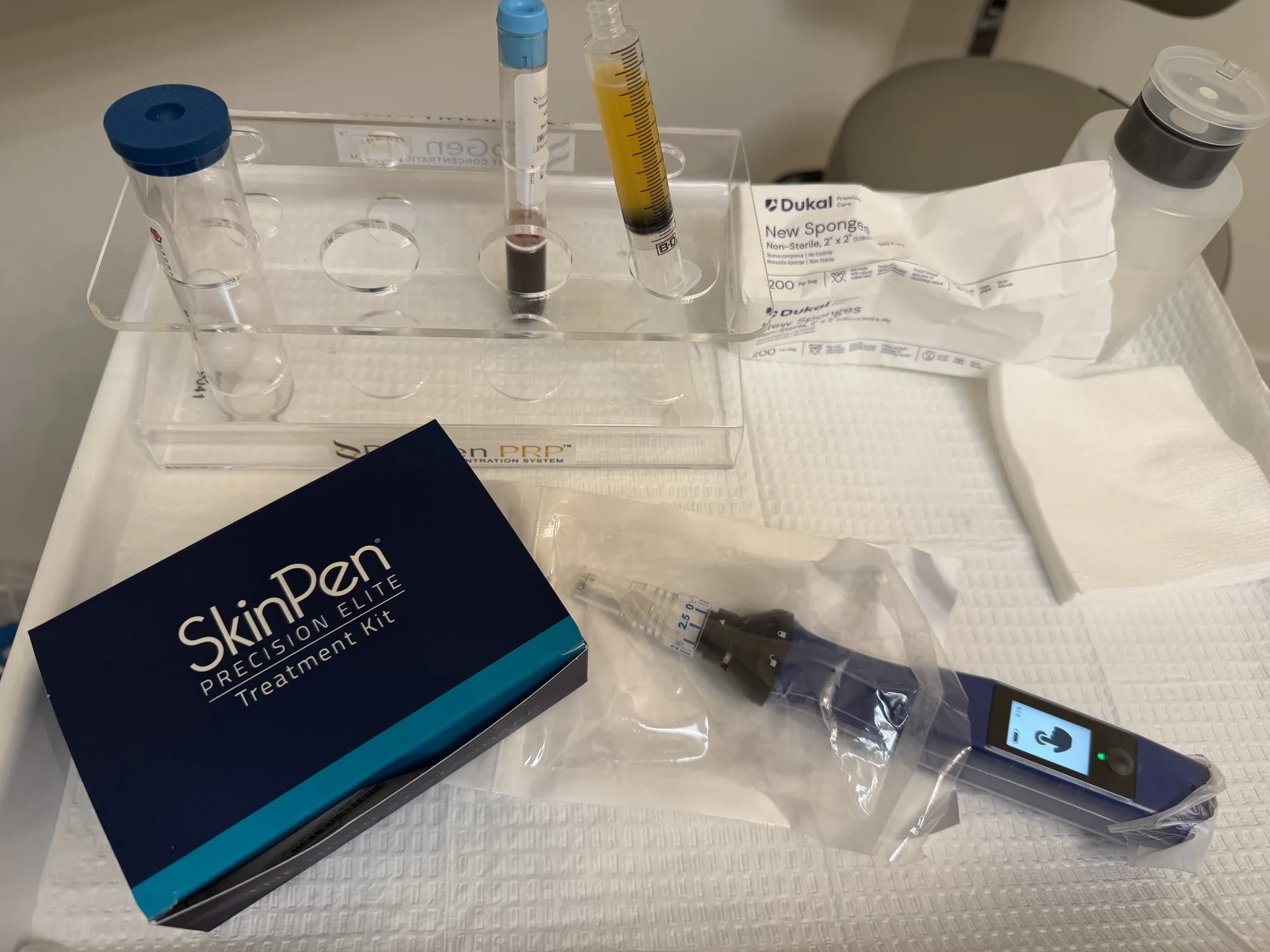
Microneedling is a minimally invasive skin treatment that uses very fine needles to make controlled micro-injuries in the skin. These tiny punctures trigger the body's healing response, which stimulates collagen and elastin, the proteins that keep skin firm and smooth. It is commonly used for:
- fine lines and wrinkles
- acne scars and surgical scars
- uneven pigmentation and sun damage
- enlarged pores and dull skin
Our post on what microneedling is and how it works goes into more detail.
What decides how often you should get microneedling
Your skin concern
What you are treating has the biggest effect on the schedule.
- Acne scars and pigmentation usually need a longer series, with sessions about every four to six weeks, to remodel scar tissue and support deeper healing.
- Fine lines and aging skin usually respond to sessions every four to six weeks, followed by maintenance.
- Enlarged pores or mild texture concerns may only need a maintenance session every few months.
Skin type and sensitivity
If you have sensitive skin or a condition such as rosacea, your provider may recommend more time between sessions. More resilient skin may handle sessions closer together, under professional supervision.
Treatment depth
Microneedling ranges from light surface treatment to deeper collagen remodeling.
- Lighter treatments, for glow and even tone, are usually spaced four to six weeks apart.
- Deeper treatments, for scars or wrinkles, are often spaced six to eight weeks apart to allow full recovery.
Age and lifestyle
Younger skin usually regenerates faster, so you may see improvement with fewer sessions. Mature skin often benefits from slightly longer intervals to allow full collagen remodeling. Sun exposure, hydration and smoking also affect how quickly you heal and how long results last.
Typical microneedling schedules by concern
General skin rejuvenation
To brighten your complexion, even out texture or maintain healthy skin, plan a session every four to six weeks during your series. This keeps collagen production going.
Acne scars and hyperpigmentation
For acne scars, sun spots or dark patches, a series of four to six sessions spaced about four to six weeks apart is typical. That lets the skin remodel gradually and pigmentation fade while overall smoothness improves.
Fine lines and early aging
To soften fine lines and early signs of aging, consider three to five sessions every four to six weeks, followed by maintenance every three to six months.
Stretch marks and deeper scars
These involve thicker, denser tissue, so your provider may recommend sessions every six to eight weeks. The extra healing time lets your skin recover fully and build collagen in deeper layers.
Your provider's plan comes first
These timelines are general guidance. A licensed provider decides the right schedule for your skin, based on how quickly you heal, how you respond to treatment, and whether adding PRP, as in microneedling with PRP, would help.
What to expect between sessions
Mild redness, sensitivity and peeling
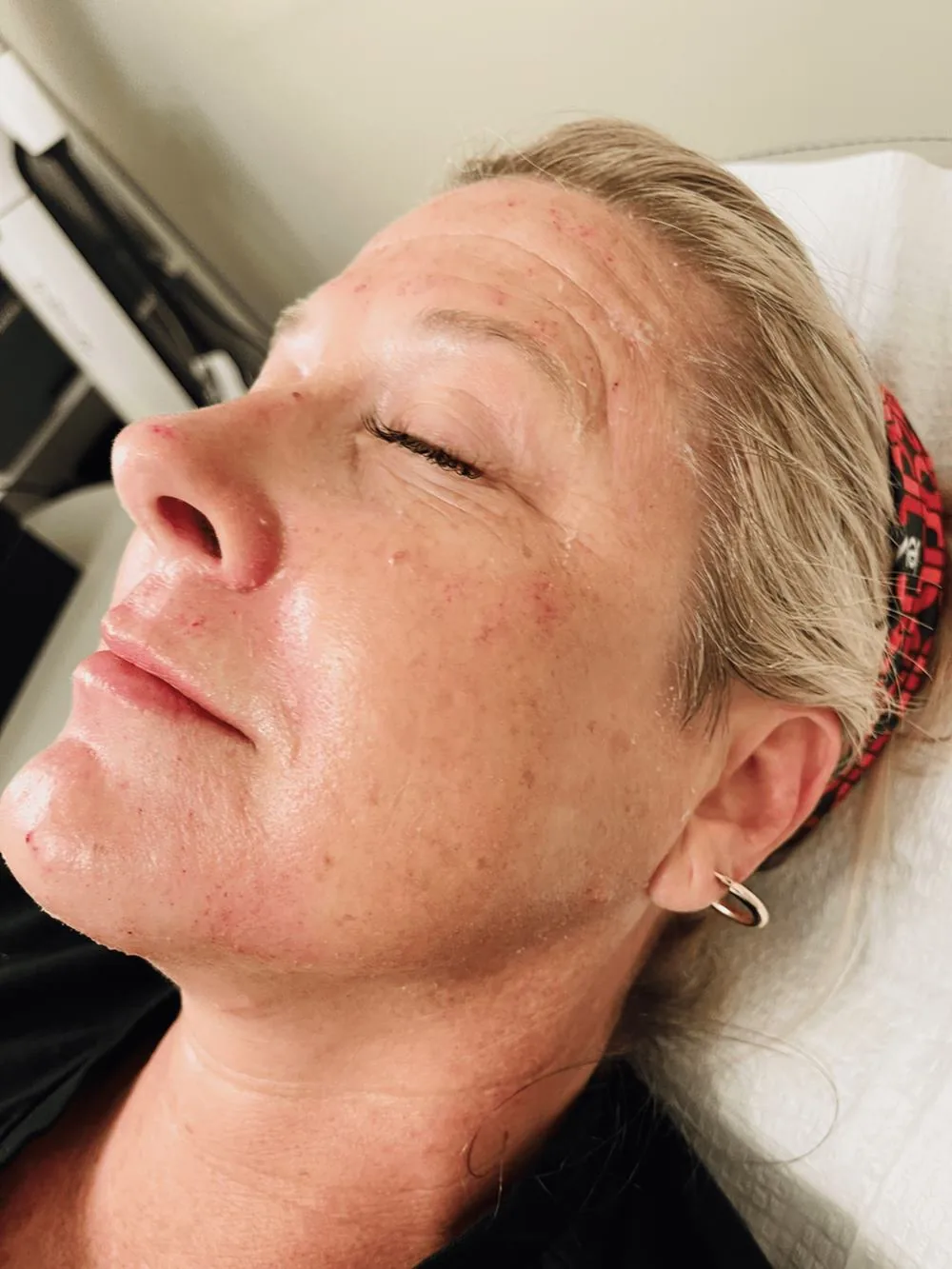
Right after a session you may have mild redness or sensitivity, like a light sunburn. Over the next few days your skin may feel tight or start to flake as new skin cells come through. This usually settles within three to five days.
Avoid makeup, sun and harsh products
For at least 24 to 48 hours, avoid makeup, direct sun and exfoliating or alcohol-based skincare. Your skin is more sensitive, and irritants or UV light can interfere with healing. If you go outside, wear a broad-spectrum SPF 30 or higher.
Hydrating serums and SPF
Hydration helps recovery. A gentle hyaluronic acid serum and a fragrance-free moisturizer help your skin hold moisture. Keep wearing sunscreen every day, because freshly treated skin is more prone to UV damage.
Returning to your usual routine
You can usually go back to your regular skincare within five to seven days, once redness and sensitivity have settled. Hold off on retinoids, chemical exfoliants and active ingredients such as vitamin C until your provider says it is safe.
Why regular sessions help
Collagen builds gradually
Each session triggers new collagen and elastin. Over a series, that gradual build-up strengthens your skin's structure, softens fine lines and improves elasticity.
More even tone and smaller-looking pores
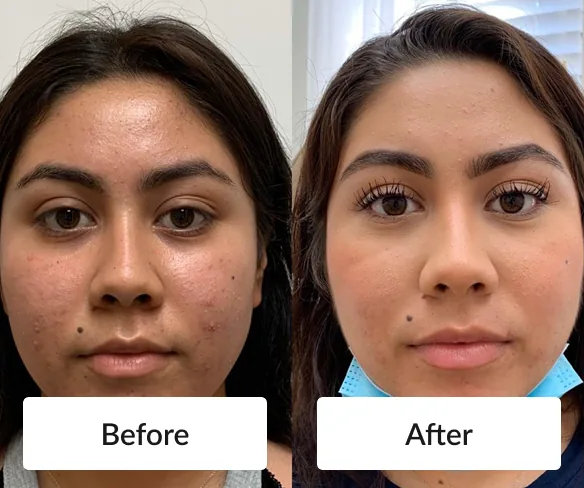
Microneedling encourages cell renewal, which helps fade uneven pigmentation and reduce the look of enlarged pores. With consistent treatment, your complexion looks clearer and more even.
Better absorption of skincare
The tiny channels made during treatment help serums and medical-grade skincare reach deeper, so the products your provider recommends work harder.
Results that hold with maintenance
With regular maintenance, home care and daily sun protection, your results last longer.
Why professional microneedling is worth it
Licensed providers and medical-grade devices
Medical practices use FDA-cleared, medical-grade microneedling devices that control needle depth and speed far more precisely than at-home rollers. At Lotus MD we use SkinPen. Licensed professionals are also trained to avoid problems such as irritation, infection and uneven results.
A plan for your skin
No two skin types are the same. At your consultation, your provider assesses your skin tone, texture and goals and builds a plan, setting the schedule and depth for your skin, whether you are treating acne scars, fine lines or sun damage.
Adding PRP
Adding platelet-rich plasma to microneedling supports healing and collagen production for a smoother, brighter result. See how to prepare for a PRP microneedling session.
Hygiene and recovery
Medical settings follow strict sterilization standards, and controlled depth and professional technique help keep downtime short.
Frequently asked questions
How many microneedling sessions do I need to see results?
Many people notice an improvement after one or two sessions. For the best collagen production and longer-term benefit, a series of three to six sessions spaced four to six weeks apart is typical. Your provider will set the number based on your goals and skin.
Is there any downtime after microneedling?
Very little. You may have mild redness or sensitivity for 24 to 48 hours, like a light sunburn. Most people go back to normal activities the next day, though it is best to avoid makeup, heavy workouts and sun exposure for a couple of days.
Can I combine microneedling with other treatments?
Yes. Microneedling is often combined with PRP, and it can be planned alongside Botox, with the treatments spaced correctly. Read about combining Botox with microneedling or PRP.
How soon will I notice results?
Texture and glow often improve within one to two weeks of your first session. Collagen keeps rebuilding for several months, so your skin continues to improve, especially with a full series.
Is microneedling safe for all skin tones and types?
Microneedling suits most skin tones and types when it is done by a licensed professional. Because it does not rely on heat, the risk of pigment changes is lower than with many heat-based treatments. Your provider will adjust the depth and technique to your skin.
Read more on our microneedling page, or book an appointment.