

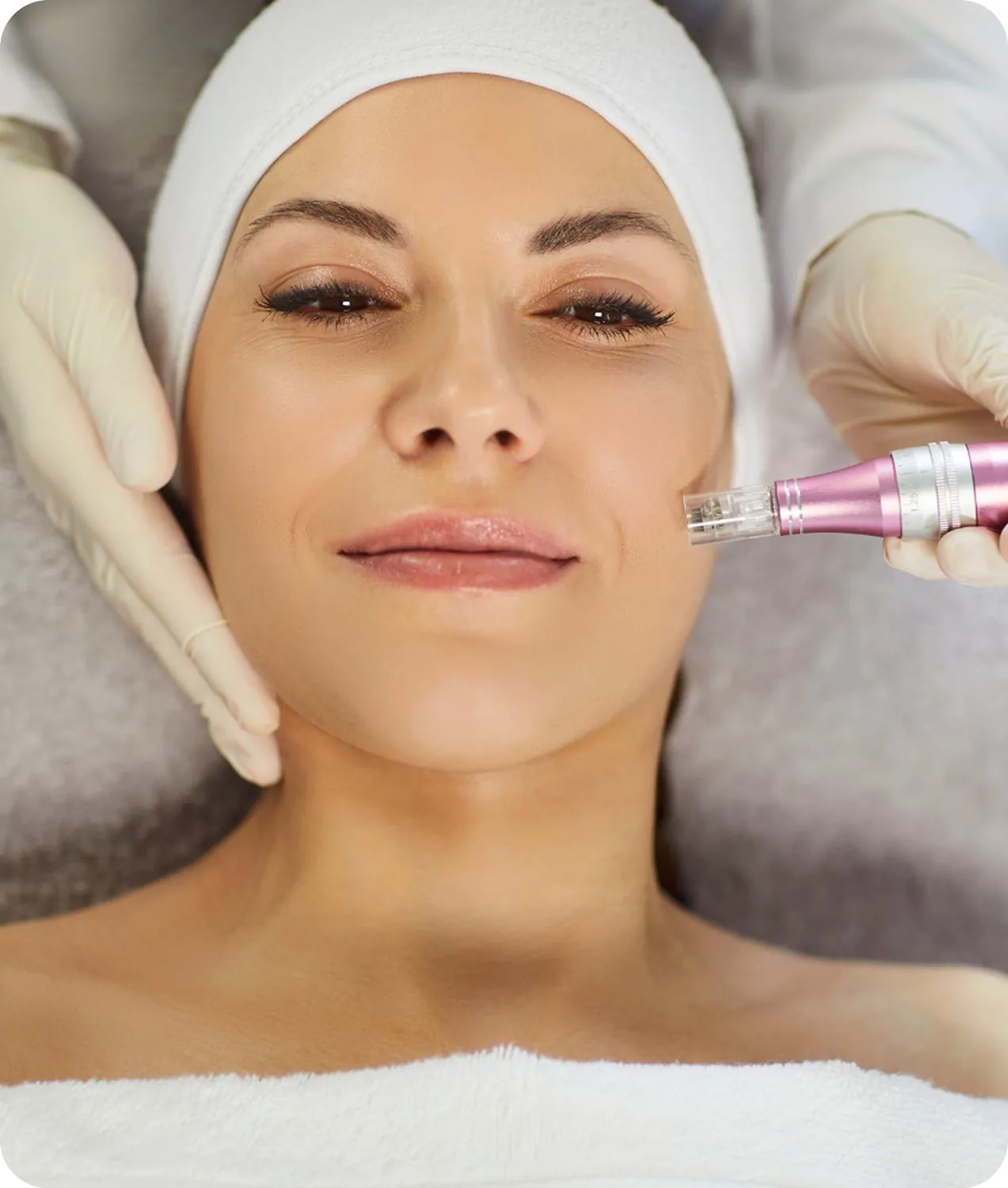
Microneedling with PRP combines two treatments for skin renewal. Microneedling uses fine, sterile needles to make tiny channels in the skin, prompting the body's repair process and new collagen and elastin. PRP, platelet-rich plasma made from your own blood, is applied to the freshly treated skin, adding concentrated growth factors that support that repair. Here is how it works and what to expect.
What is microneedling with PRP?
How PRP adds to microneedling
PRP works as a biological booster for microneedling. Applied to freshly treated skin, its growth factors support cell repair and collagen production. The combination helps with fine lines, acne scars, large pores and uneven tone, and many patients see more improvement than with microneedling alone.
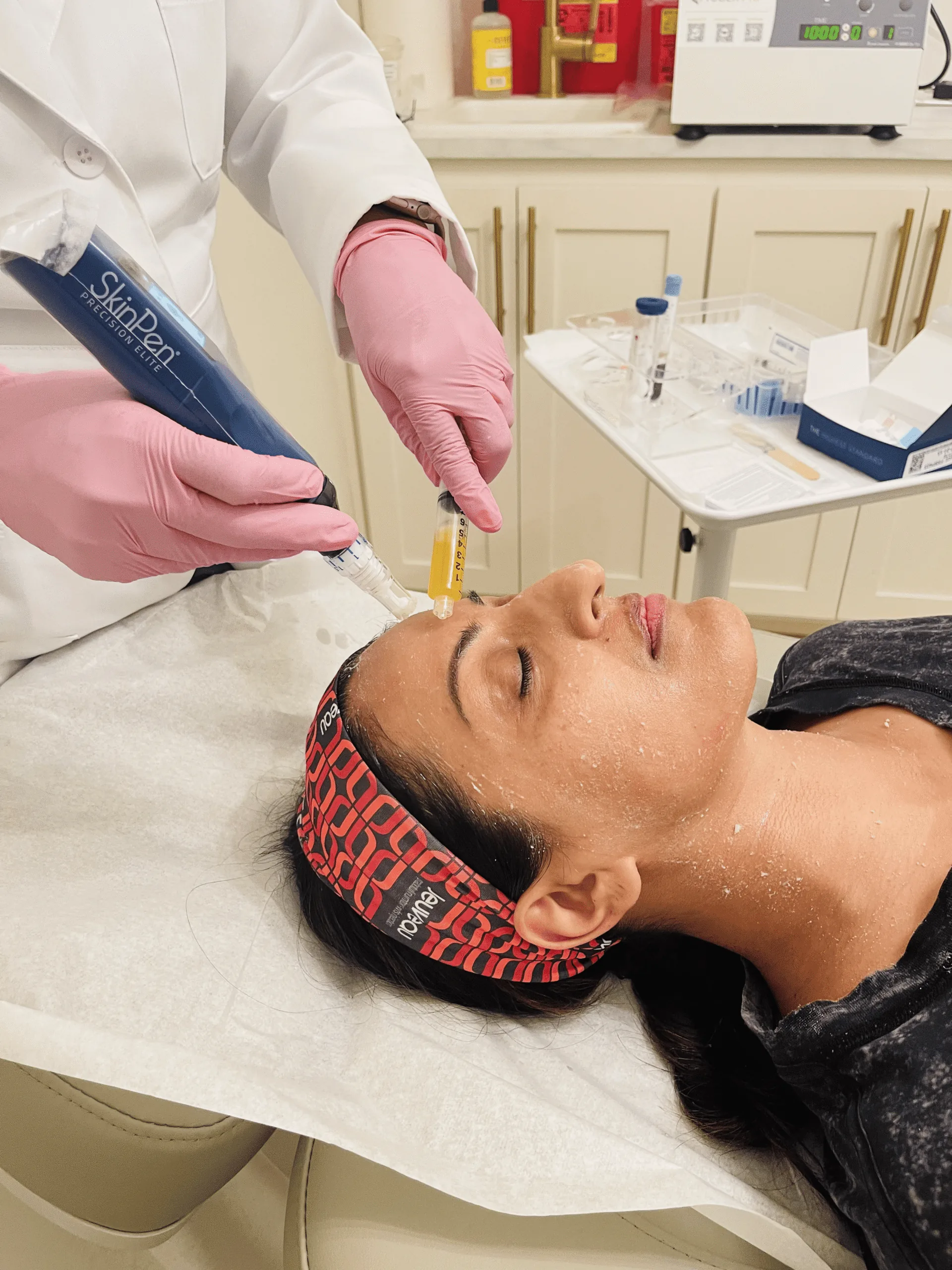
Patients often notice faster healing, better elasticity and a glow that keeps developing over several weeks. Because PRP comes from your own blood, the risk of an allergic reaction is very low.
The science of growth factors
Platelets are tiny cell fragments in your blood that help heal wounds and repair tissue. In PRP, they are concentrated so they release growth factors such as PDGF (platelet-derived growth factor) and VEGF (vascular endothelial growth factor). These help by:
- stimulating new collagen and elastin
- improving blood flow for healthier tone
- encouraging cell turnover for smoother texture
- calming inflammation and supporting even healing
The blood draw and application
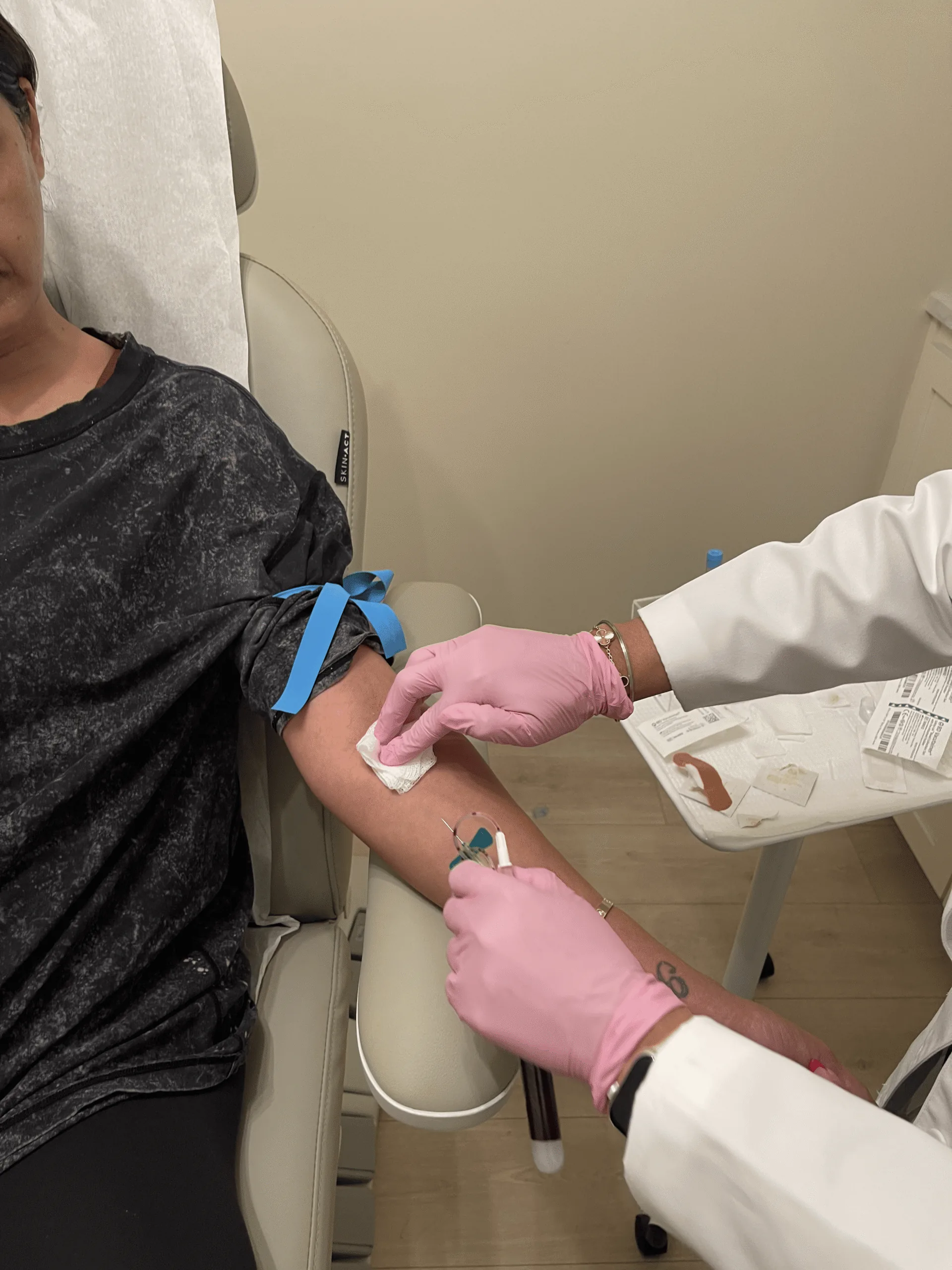
The PRP process starts with a simple blood draw, much like a routine lab test. Your sample is spun in a centrifuge to separate the PRP from the other parts of the blood. During microneedling, your provider applies the PRP to your skin, where it absorbs through the tiny channels. Most patients feel only mild pressure or tingling.
Afterward your skin may look flushed or feel tight for a day or two. Over the following days your complexion looks smoother and brighter.
Benefits of PRP-enhanced microneedling
Support for healing
The growth factors in PRP support tissue repair and help calm inflammation after microneedling, which can mean less redness and downtime. Most patients find their skin looks refreshed within a few days.
More collagen and firmer skin
Collagen declines with age, which leads to sagging and fine lines. Microneedling with PRP triggers the body's own collagen and elastin production, so over the weeks after treatment skin feels firmer, smoother and more elastic, with a more refined texture.
Softer scars, lines and sun damage
Whether you are dealing with acne scars, enlarged pores or sun damage, PRP microneedling is versatile. The micro-injuries encourage new cell turnover, while PRP supports deeper repair. Many patients notice smoother skin after one session, with continued improvement over time.
Rejuvenation using your own plasma
Unlike treatments that use synthetic fillers or chemicals, PRP microneedling uses your body's own plasma.
The treatment, step by step
Consultation and preparation
Your first step is a consultation with Dr. Sanghera, who reviews your skin type, goals and medical history to decide whether PRP microneedling is right for you. You will receive pre-treatment guidelines, which may include:
- avoiding retinol, exfoliants and harsh acids for three to five days before treatment
- limiting sun exposure and tanning
- staying hydrated and eating well
- stopping blood-thinning medications or supplements, only as advised by your provider
Our guide to preparing for a PRP microneedling session has the full checklist.
Blood draw and PRP preparation
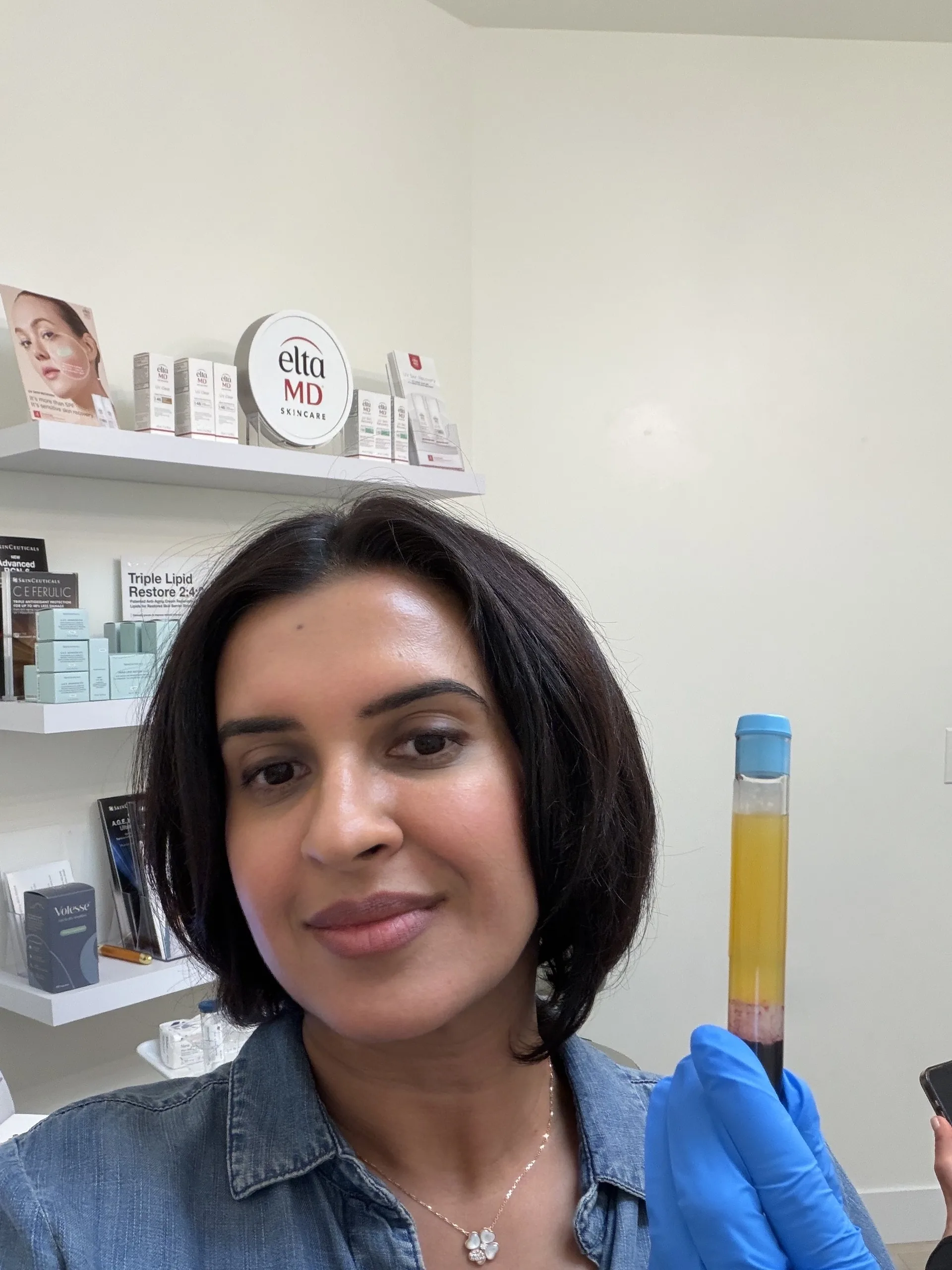
A small blood sample, usually one or two vials, is drawn and spun at high speed in a centrifuge to separate the platelet-rich plasma from the red blood cells. The golden-colored PRP is collected and prepared for your treatment.
Microneedling with PRP
After your skin is cleansed and numbing cream applied, the microneedling begins. A device with very fine needles makes microscopic channels across the treatment area, triggering your skin's healing response. The PRP is applied to your skin so its growth factors can absorb through the channels. This part usually takes 45 to 60 minutes, depending on the size of the area.
Recovery and aftercare
Recovery is usually quick. You may have mild redness or tightness for 24 to 48 hours, like a light sunburn. Your provider will recommend a simple routine, which may include:
- avoiding makeup, saunas and heavy workouts for 24 hours
- using a gentle cleanser and a hydrating serum
- applying sunscreen every day
- staying hydrated and out of direct sun
Most patients notice improvement within a week, with continued change over the following four to six weeks as new collagen and elastin form.
Results
When you will see a difference
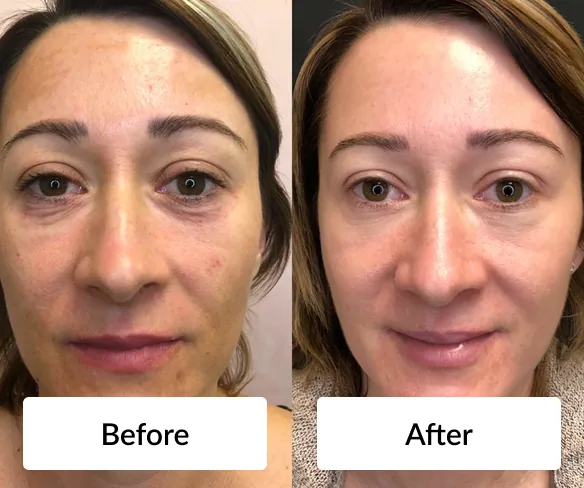
Most patients see results within one to two weeks of their first session, as the skin looks brighter and smoother. Over the next four to six weeks, results keep developing: fine lines, mild scarring and uneven texture gradually fade. Because the change builds gradually, it looks natural.
How many sessions you need
The best results usually come from a series of three to four treatments spaced about four to six weeks apart. For maintenance, many patients choose one or two sessions a year. Dr. Sanghera and her team will plan your series around your goals, skin type and current condition. See how often you should get microneedling for more on scheduling.
Long-term benefits
By boosting collagen and elastin, microneedling with PRP improves tone, elasticity and resilience over time:
- softer fine lines, wrinkles and scars
- better hydration and texture
- more even pigmentation and tone
- a stronger skin barrier
- continued collagen renewal for months after treatment
Microneedling or microneedling with PRP?
At Lotus MD, both microneedling and microneedling with PRP improve texture, tone and firmness.
Differences in healing and results
Microneedling on its own triggers collagen and elastin production and visibly improves smoothness and texture, with a few days of recovery as the skin rebuilds. Adding PRP brings concentrated growth factors from your own blood, which support recovery, help calm redness and add to the overall result. Microneedling with PRP typically offers:
- support for faster healing
- smoother, firmer skin
- brighter, more even tone
- more long-term collagen remodeling
Who should choose PRP
PRP microneedling suits people who want the most from a natural, non-surgical skin treatment, especially those with:
- acne scars or surgical scars
- fine lines and wrinkles
- uneven tone or sun damage
- dull, tired-looking skin
- mild loss of firmness
It suits most skin types, and because it uses your own platelets, the risk of an allergic reaction is very low.
What affects the cost
Microneedling with PRP usually costs more than microneedling alone, because of the blood draw and PRP preparation. Your total depends on the treatment area, the number of sessions and your skin goals, and it is confirmed at your consultation. Many patients find the added support for healing and results worthwhile.
Safety and side effects
At Lotus MD, every microneedling with PRP treatment is performed by trained medical professionals under Dr. Sanghera's supervision.
Why PRP is well tolerated
PRP uses your body's own platelets and growth factors, which are already part of your natural healing system. Because it is autologous, meaning it comes from your own body, the risk of an allergic reaction or rejection is very low, which makes PRP microneedling a gentle option even for sensitive skin. We use medical-grade equipment and sterile technique throughout.
Managing swelling and redness
Mild redness, tightness or slight swelling is normal, like a mild sunburn, and usually settles within 24 to 48 hours. To soothe your skin:
- use a cool compress or a gentle, fragrance-free moisturizer
- do not touch your face or use harsh products for the first 24 hours
- keep your skin hydrated and use a broad-spectrum sunscreen once the redness fades
Most patients return to daily activities the same day or the next, and makeup can usually be worn within 48 hours.
What to avoid after treatment
For the first few days, avoid:
- direct sun and tanning beds
- heavy sweating from intense workouts or saunas
- exfoliating products, retinol and chemical peels
- touching or scratching the treated area
- alcohol and smoking, which can slow healing
Why choose Lotus MD for microneedling with PRP
Dr. Sanghera's expertise
Dr. Sanghera, founder of Lotus MD, is a board-certified physician through the American Board of Family Medicine, with nearly two decades of clinical experience. Patients know her for a careful, gentle and personal approach.
Physician-supervised PRP
All PRP microneedling at Lotus MD is physician-supervised. Dr. Sanghera oversees the preparation, handling and application of PRP for consistency and safety.
Sterile equipment and technique
Every session uses medical-grade equipment in a sterile, controlled setting, with strict infection-control protocols and single-use microneedling cartridges.
Two offices
We see patients from Roseville and across the greater Sacramento area at our Sacramento office (4250 H Street, Suite #2, Thursday to Saturday) and our Granite Bay office (4067 Cavitt Stallman Road, Monday to Wednesday), both open 9:30 am to 4:30 pm.
Frequently asked questions
Is PRP microneedling painful?
Most patients find it comfortable, with minimal discomfort. Numbing cream is applied first. You may feel light pressure or mild tingling as the device moves across your skin, and it is generally well tolerated, even by people with sensitive skin. Afterward your skin may feel warm or tight for a few hours.
How soon can I wear makeup again?
Wait 24 to 48 hours. That gives your skin time to absorb the PRP and begin healing without interference from cosmetics or brushes. Keep your skin clean, hydrated and protected with sunscreen, and once any redness settles, usually within a day or two, you can return to your normal routine. Many patients find makeup goes on more smoothly afterward.
How long do results last?
Most patients see brighter, smoother skin within the first two weeks, with continued improvement over three to six months as collagen builds. Results can last 12 to 18 months, depending on your age, skin type and skincare habits. Maintenance once or twice a year helps sustain and build on them.
How do I book?
Read more on our microneedling with PRP page, book an appointment or call (916) 249-7903. Our team will answer your questions, explain your costs and find a time that suits you.